

Lorcana Archetype Tier List (2026)
A snapshot of what's actually winning in Lorcana right now, across both major competitive formats — and the two formats currently look nothing alike. Infinity Constructed has a single runaway leader; Core Constructed has a much more contested field.
Some links below are affiliate links. If you buy through them, Geeky Domain may earn a small commission at no extra cost to you.
Metagames shift, and Lorcana is no exception — but the current shift is bigger than a normal set-to-set reshuffle. With Set 13, Attack of the Vine!, now the format-defining set following its July 24, 2026 release (after a July 17 prerelease), the archetypes that used to define this list are gone from the top of the metagame entirely, and the two major constructed formats have pulled apart into genuinely different environments.
This update splits the list by format on purpose. Infinity Constructed and Core Constructed are two separate, non-overlapping competitive formats — not the same metagame wearing different names. They have almost no overlap at the top, and one blended ranking would actively mislead you about what you're going to sit across from at an event.
The data below is drawn from inkDecks' August 2026 tracking, covering recent results including the 357-player Friday Disney Lorcana $10,000 tournament, the 135-player Conflux Ink Clash (Aug. 8), the 92-player Ink Inc Open $3k (Aug. 2), and the 25-player ROK $2,000 (Aug. 1) — with lorcanahunter.com separately cataloguing 1,587 total Attack of the Vine! decks across its own tracking. That's a large, current sample, and this page will be refreshed as the format shifts — treat it as a current-state reference, not a fixed hierarchy.
→ Short Version
In Infinity Constructed, Amber/Steel Steelsong is the dominant deck of the format at roughly 50% metashare — a lead that isn't close. Ruby/Sapphire Shark and Amber/Emerald Elinor share second place at around 25% each, and together the three decks account for the large majority of the tracked field. Core Constructed looks completely different: Amber/Amethyst Midrange leads a much flatter field at around 18%, followed by Amber/Emerald Elinor at 15%, with Amber/Ruby Boost, Amber/Emerald Songs, and Amber/Steel Steelsong essentially tied at 9% each. Elinor and Steelsong are the only two decks that place in both formats' top tiers — everything else is format-specific. This is a snapshot, not a permanent ranking — check back as the format shifts.
→ Related Reading
- Build Amber/Emerald Toys for Under $50 — a fun, cheap synergy deck if you want something off this list entirely
- Lorcana Deck Tech: Ruby/Amethyst Control Masterclass — grindy fundamentals that still transfer
- Lorcana Competitive Amethyst/Steel Bounce Guide
- How to Beat Control in Lorcana
In This Guide
- → Infinity Constructed S Tier: Amber/Steel Steelsong
- → Infinity Constructed A Tier: Ruby/Sapphire Shark & Amber/Emerald Elinor
- → Core Constructed S Tier: Amber/Amethyst Midrange
- → Core Constructed A Tier: Amber/Emerald Elinor
- → Core Constructed B Tier: The Three-Way Tie at 9%
- → What Beats What
- → How to Use This List
- → FAQ
- → The Verdict
Infinity Constructed — Current Metashare
| Archetype | Approx. Metashare | Tier |
|---|---|---|
| Amber/Steel Steelsong | ~50% | S Tier |
| Ruby/Sapphire Shark | ~25% | A Tier |
| Amber/Emerald Elinor | ~25% | A Tier |
These three archetypes account for the large majority of the tracked Infinity Constructed field per inkDecks' August 2026 data. A long tail of other strategies makes up the remainder in smaller numbers.
Core Constructed — Current Metashare
| Archetype | Approx. Metashare | Tier |
|---|---|---|
| Amber/Amethyst Midrange | ~18% | S Tier |
| Amber/Emerald Elinor | ~15% | A Tier |
| Amber/Ruby Boost | ~9% | B Tier |
| Amber/Emerald Songs | ~9% | B Tier |
| Amber/Steel Steelsong | ~9% | B Tier |
Core Constructed's top five is meaningfully flatter than Infinity's top three — no single deck is close to a majority of the field. Percentages per inkDecks, August 2026.
Infinity Constructed S Tier: Amber/Steel Steelsong
There isn't much ambiguity at the top of Infinity Constructed right now. Amber/Steel Steelsong sits at roughly 50% metashare in tracked events — meaning, on current numbers, something like every other match you play in this format is either you piloting this deck or your opponent doing so. That's not a normal "leading archetype" share; it's a genuine format-warping lead, and it changes how you should think about the entire format if Infinity is where you're competing.
A metashare that large usually means the deck is genuinely the best-supported strategy the current card pool allows, that its own popularity is partly self-reinforcing, or some mix of both. A 50% share this early in a set's life cycle is worth watching for future balance or ban list attention, though this page isn't the place to speculate on what Ravensburger might do next.
What this means practically: if you're building or borrowing a deck for Infinity Constructed right now, your single highest-value preparation is a plan against Amber/Steel Steelsong specifically, not against "the field" in the abstract. A deck that beats Steelsong comfortably and is merely fine against everything else will outperform a deck that's balanced across all matchups but has no answer for the format's dominant strategy. Steelsong is also one of only two archetypes that shows up in both formats' current top tiers — it lands at roughly 9% in Core Constructed, discussed further down — even though its role in each format couldn't be more different: dominant in one, one of several competing options in the other.
Amber/Steel Steelsong
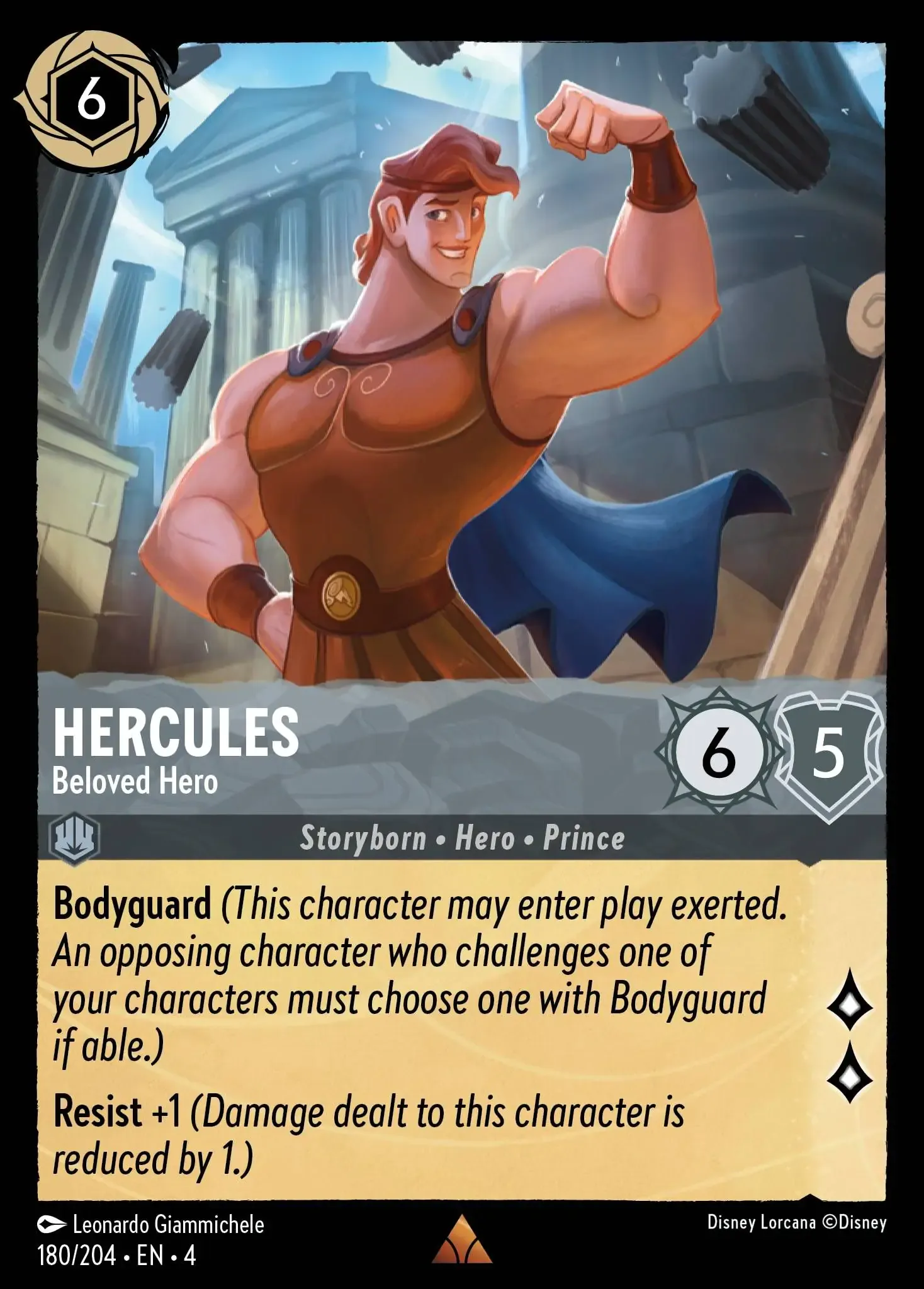
| Format | Infinity Constructed (S Tier, ~50%) & Core Constructed (B Tier, ~9%) |
| Difficulty (our read, not a tracked stat) | Medium–High |
| Approx. Cost to Build | ~$210 (per inkDecks, subject to change) |
| Best vs | Unrefined and mirror-unprepared lists (per general community read — not a confirmed head-to-head stat) |
| Weak to | Whatever the field specifically tunes to beat it (per general community read — not a confirmed head-to-head stat) |
Infinity Constructed A Tier: Ruby/Sapphire Shark & Amber/Emerald Elinor
Behind Steelsong, Ruby/Sapphire Shark and Amber/Emerald Elinor are tied at roughly 25% metashare apiece — meaning between the three of them, these archetypes appear to account for the great majority of the entire tracked Infinity Constructed field, with everything else splitting a fairly small remainder.
Ruby/Sapphire Shark is notable beyond its metashare for being the format's clear budget entry point: at roughly $89 to build per current inkDecks pricing, it's dramatically cheaper than the format's dominant deck while still holding a genuine quarter of the competitive field — the most approachable on-ramp into Infinity's current top tier for anyone building on a budget.
Amber/Emerald Elinor is the other half of the A tier, and it's the archetype that bridges both formats: it also places at 15% in Core Constructed, discussed below. That dual-format relevance is a reasonably strong signal the archetype's core game plan is resilient across card pool sizes, rather than a strategy that only works because a wider Infinity pool papers over its weaknesses. Because Shark and Elinor are effectively co-equal here, choosing between them comes down more to budget and playstyle than a clear power gap.
Ruby/Sapphire Shark
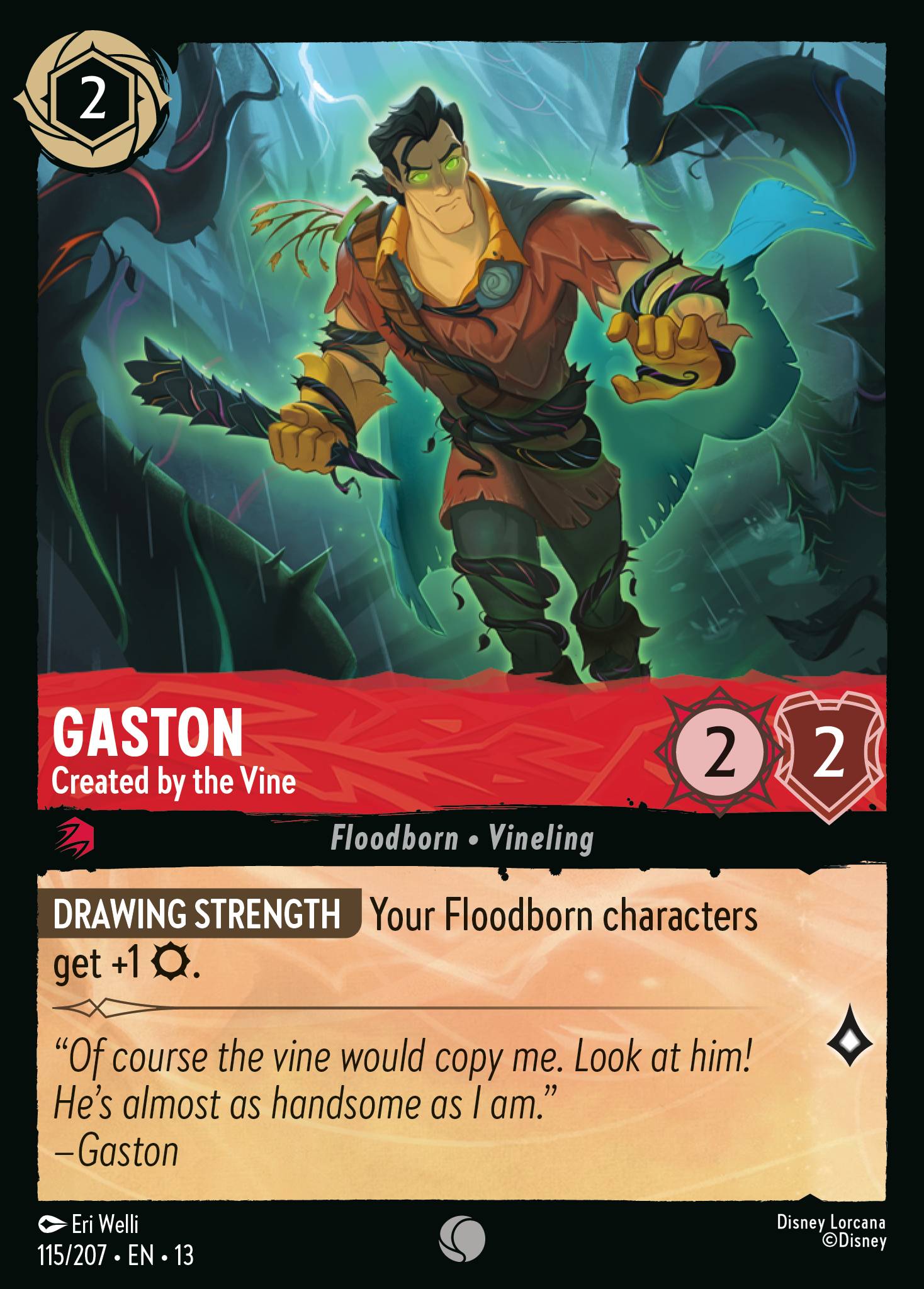
| Format | Infinity Constructed only (A Tier, ~25%) |
| Difficulty (our read, not a tracked stat) | Low–Medium |
| Approx. Cost to Build | ~$89 (per inkDecks, subject to change) — the cheapest deck in either top tier |
| Best vs | Slower, less-tuned midrange lists (per general community read — not a confirmed head-to-head stat) |
| Weak to | A well-tuned Steelsong list (per general community read — not a confirmed head-to-head stat) |
Amber/Emerald Elinor
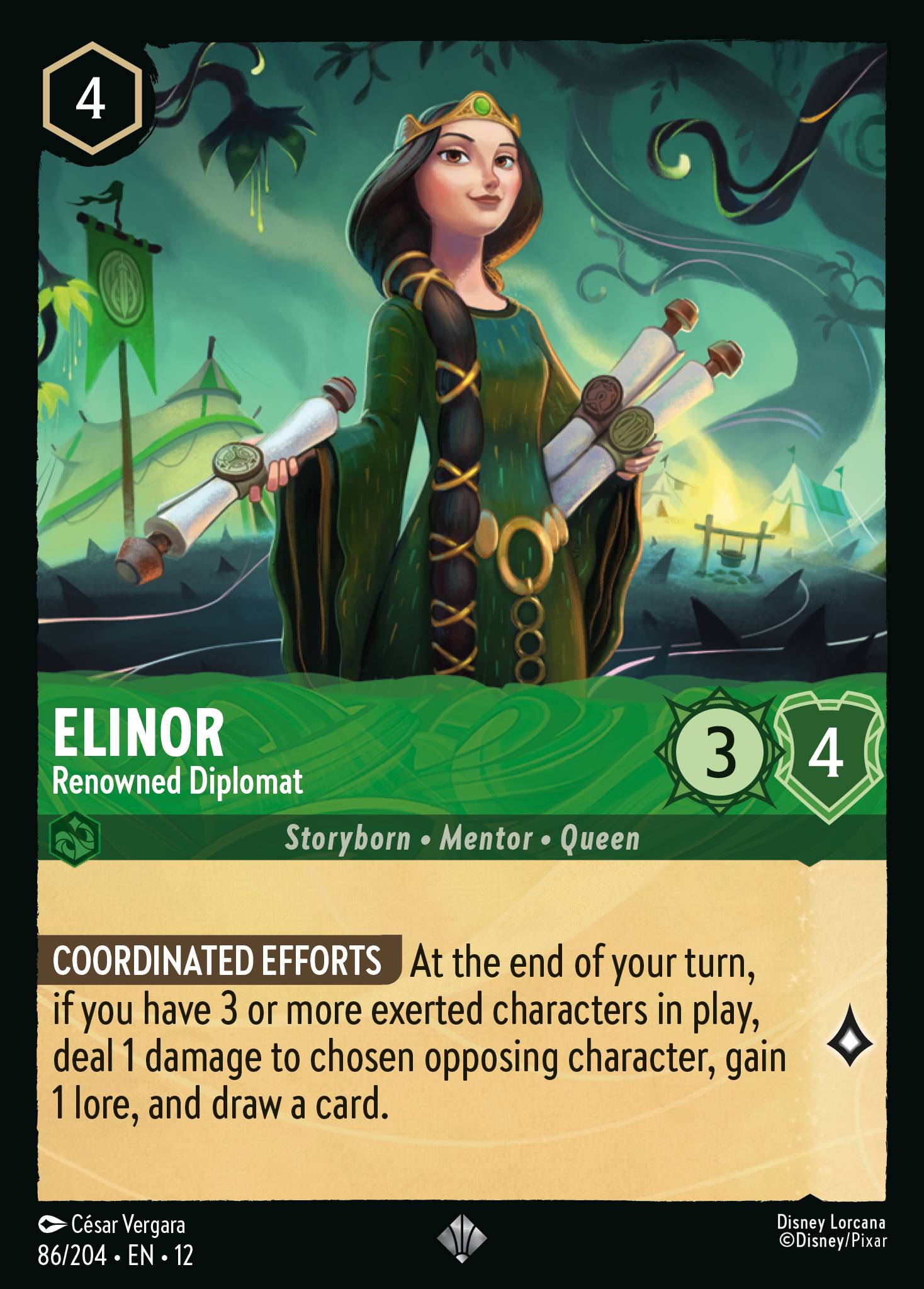
| Format | Infinity Constructed (A Tier, ~25%) & Core Constructed (A Tier, ~15%) |
| Difficulty (our read, not a tracked stat) | Medium |
| Approx. Cost to Build | Not specifically priced in current tracking — moderate relative to the format |
| Best vs | Fields that haven't specifically prepared for it in either format (per general community read — not a confirmed head-to-head stat) |
| Weak to | No confirmed hard-data weakness in this data cut — treat with normal caution |
Stock Up for Attack of the Vine!
Whether you're building toward Steelsong, Shark, Midrange, or something entirely off this list, sealed product and singles for the current set move fast. Current listings below.
Core Constructed S Tier: Amber/Amethyst Midrange
Core Constructed's leading archetype is a genuinely different animal from Infinity's. Amber/Amethyst Midrange sits at roughly 18% metashare — a clear lead over the rest of the Core field, but nowhere near the format-warping share Steelsong holds in Infinity. That's an important distinction to hold onto: "the #1 deck" means something very different in each of these two formats right now.
Worth flagging directly: Amber/Amethyst Midrange does not appear in Infinity Constructed's current top tier at all per this data. It's a Core-specific leader, most plausibly because Core's more restricted card pool changes which cards and curves are actually available to build around — the same archetype label doesn't necessarily perform the same way once the surrounding card pool changes size.
As a straightforward midrange strategy, this archetype's core appeal is flexibility — a deck built to answer whatever it's facing rather than committing hard to one linear gameplan, which tends to mean a lower ceiling but a higher floor than a dedicated combo or synergy deck. If you're building specifically to beat Core Constructed's current field, Midrange is the single deck you're most likely to face, but at an 18% share you should still expect roughly four out of five opponents to be playing something else — a meaningfully different preparation calculus than Infinity, where you should expect Steelsong roughly half the time.
Amber/Amethyst Midrange
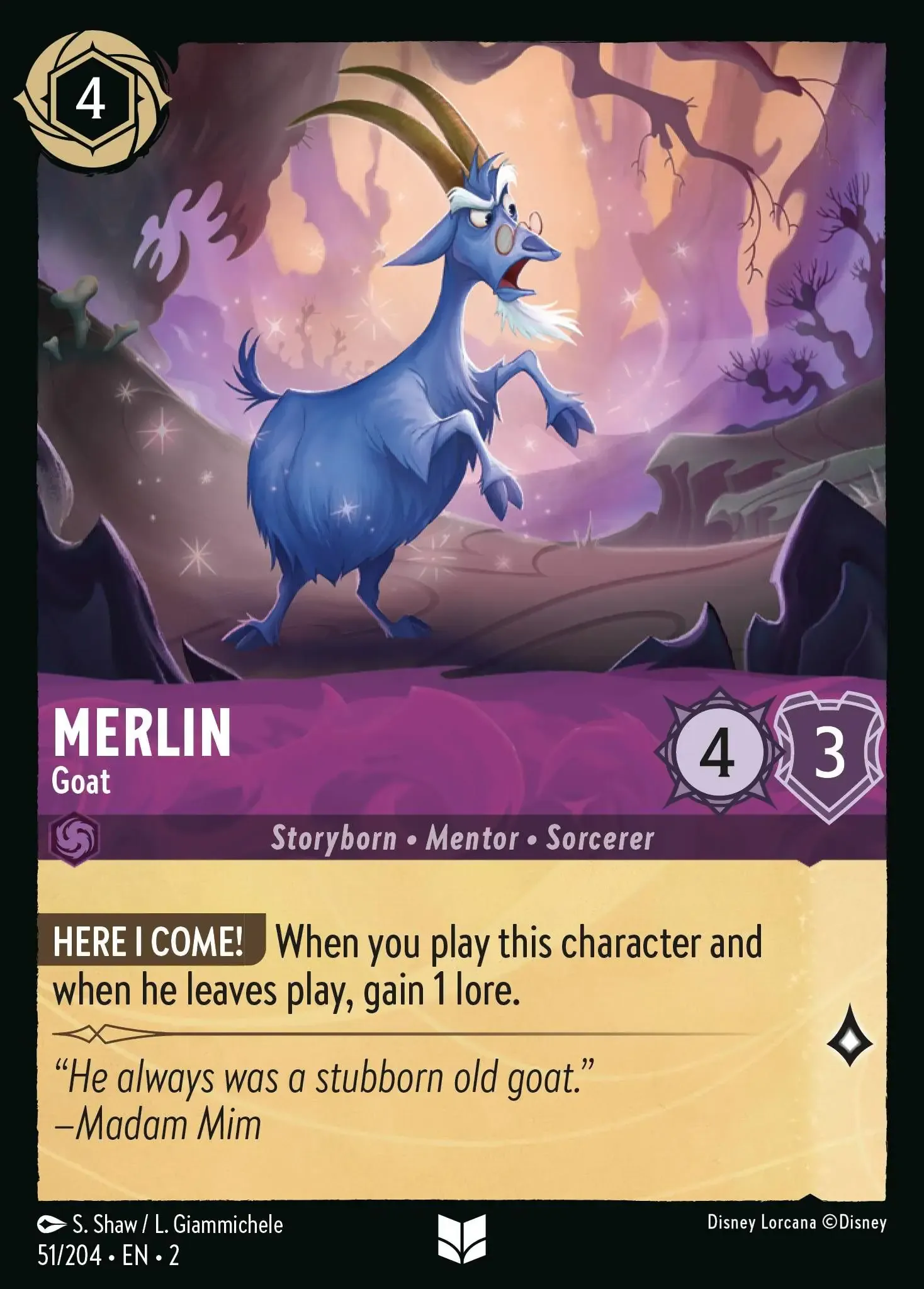
| Format | Core Constructed only (S Tier, ~18%) |
| Difficulty (our read, not a tracked stat) | Medium |
| Approx. Cost to Build | Not specifically priced in current tracking |
| Best vs | Narrow, linear strategies it has time to answer (per general community read — not a confirmed head-to-head stat) |
| Weak to | No confirmed hard-data weakness in this data cut |
Core Constructed A Tier: Amber/Emerald Elinor
Amber/Emerald Elinor's 15% Core Constructed metashare puts it in solid second place behind Midrange — and, as covered above, this is the same archetype holding a full 25% A-tier share in Infinity Constructed. Of the archetypes covered on this page, it's the one with the clearest case for being a genuinely strong strategy independent of format size, rather than a deck that only works because of a specific card pool quirk.
That said, a deck performing well in both formats doesn't mean it plays identically in both — Core's restricted pool and Infinity's wider one almost certainly change what support cards and curve-fillers are actually available, even when the headline name stays the same. Treat "Elinor is good in both formats" as a signal the core strategy is sound, not as license to assume the two lists are interchangeable. Sitting three points behind Core's Midrange leader, it's a legitimate first choice if you'd rather not pilot the most-represented deck in the room — often a real edge, since fewer opponents come prepared for it specifically.
Core Constructed B Tier: The Three-Way Tie at 9%
Below the top two, Core Constructed currently has a genuine three-way tie at roughly 9% metashare apiece: Amber/Ruby Boost, Amber/Emerald Songs, and Amber/Steel Steelsong. None of the three is individually dominant, but together they represent a meaningful 27% or so of the tracked field — larger, combined, than either Midrange or Elinor alone.
Amber/Ruby Boost and Amber/Emerald Songs are Core-specific entries — neither appears in Infinity Constructed's current top tier per this data — while Amber/Steel Steelsong is the format's dominant Infinity archetype showing up here in a much smaller, one-of-several-options role. That's worth sitting with: the same deck that's a coin flip to face in Infinity is roughly a one-in-eleven proposition in Core. Format context changes an archetype's real-world relevance more than its name or color identity does.
A tie this close means none of these three has a clear "correct third-place choice" case over the others — budget, available cards, and playstyle preference should probably decide between them more than the tier list should. Players who like Toys-style synergy decks may find Amber/Emerald Songs' pattern of building toward specific payoffs intuitive; our budget Toys build guide is a good primer on that engine-style of deckbuilding, even though Toys itself isn't part of the current tracked top tier in either format. Practically, this whole tier is a reasonable landing spot if you'd rather not pilot the most-represented deck at the table.
What Beats What
A quick note first: we're intentionally not publishing a numeric win-rate matchup matrix here. The tracked data behind this update gives solid metashare figures for both formats, but not confirmed head-to-head win rates between specific archetypes — and inventing precise numbers we don't have would be worse than being upfront about what we know and don't. What follows is general community understanding, not hard tournament statistics, and should be weighed accordingly.
In Infinity Constructed, the practical shape of the format is straightforward even without a full matrix: Amber/Steel Steelsong's 50% share means the format is defined more by whether a deck has a plan for the field's dominant strategy at all than by any specific matchup lean. Ruby/Sapphire Shark and Amber/Emerald Elinor's shared second place suggests neither has a clearly lopsided edge over the other on current results, though list tuning and pilot familiarity can shift that in a given match.
In Core Constructed, the flatter top five means preparation looks different — no single deck demands the outsized attention Steelsong gets in Infinity. Amber/Amethyst Midrange's flexible, answer-everything design generally trades on adapting to whatever it faces rather than leaning on one clean favorable matchup, typical of midrange strategies broadly. Beyond that general shape, we don't have data specific enough to respectably call individual matchups between Boost, Songs, and Steelsong. The most defensible testing strategy on current data: in Infinity, prepare for Steelsong before anything else; in Core, spread testing more evenly across Midrange and Elinor.
How to Use This List
The single most important thing to take from this update is that Infinity Constructed and Core Constructed are not the same format wearing two names. Amber/Amethyst Midrange leads Core and doesn't appear in Infinity's top tier at all; Ruby/Sapphire Shark leads Infinity's second tier and doesn't appear in Core's top tier at all. If you're switching between formats, do not assume a deck's standing in one carries over to the other.
Metashare isn't the same as power level, either. A deck can hold a large metashare because it's genuinely the strongest strategy the card pool supports, because it's affordable and well-documented, or some mix of both — Ruby/Sapphire Shark's roughly $89 build cost alongside its 25% Infinity share is a good example of a deck that's likely both competitively solid and unusually accessible. Weigh this list alongside your own budget, the format you're actually entering, and your playstyle preference — not just the single highest metashare number.
A common mistake is treating a tier list as a strongest-to-weakest power ranking. That's not what this is. Tier placement here reflects metashare and results at tracked competitive events — a lower-tier deck can absolutely beat a top-tier deck in any given game, and pilot skill matters enormously. What tier placement actually tells you is how likely you are to face each archetype at a real event in each format.
Finally, remember these numbers are a point-in-time read on a set that released barely a month before this update. Attack of the Vine!'s metagame is still settling, and both formats — especially Infinity, with a deck holding half the field — are reasonable candidates for further shifts as more events are played and the community finds sharper answers to the current leaders.
FAQ
What's the difference between Infinity Constructed and Core Constructed?
They're two separate, non-overlapping competitive formats. As this update shows, that difference is currently producing genuinely different top archetypes rather than the same handful of decks reshuffled.
Is there a current banned-card list I should know about?
Lorcana does maintain an official banned-card list for competitive play, but we weren't able to confirm the specific cards currently on it in this research pass, so we're deliberately not naming any here rather than risk stating something outdated or wrong. Check Ravensburger's official disneylorcana.com rules resources directly for the current list before building toward an event.
What's the cheapest deck on this list to build?
Ruby/Sapphire Shark, at roughly $89 per current inkDecks pricing, and it still holds a real 25% share of the Infinity Constructed A tier — a genuinely strong budget-to-power ratio compared to Amber/Steel Steelsong's roughly $210 build cost.
Are the Enchanted rares from Attack of the Vine! worth chasing?
Enchanted foil alt-art rares remain Lorcana's general chase-card tier per Foilio's broader pricing coverage, but we don't have confirmed, dated pricing specific to Attack of the Vine!'s Enchanted cards to report here. If you want a deeper dive on Enchanted pricing generally, that's covered in more depth elsewhere on the site rather than duplicated in this tier list.
Whatever happened to Amethyst/Sapphire Evasive, Amber/Emerald Aggro, and the other archetypes from the previous version of this list?
They're not part of either format's current tracked top tier under Attack of the Vine!. Interestingly, a premium Amethyst/Sapphire Evasive build still runs roughly $562 per current pricing data, which suggests it's still being played by somebody — just not at a level that places it in the current competitive top tier of either format. Metagames move on, and this update reflects where things actually stand now rather than where they stood under the previous set.
One Format Has a King. The Other Doesn't.
Attack of the Vine! has produced two genuinely different metagames under one game. Infinity Constructed currently belongs to Amber/Steel Steelsong, with Ruby/Sapphire Shark and Amber/Emerald Elinor fighting for a distant but real second place. Core Constructed is far more contested, led by Amber/Amethyst Midrange and Amber/Emerald Elinor ahead of a genuine three-way tie for third. Elinor and Steelsong are the only two archetypes that matter in both — everything else is format-specific right now.
Check back as the format shifts — this is a snapshot barely a month into the set's life, and Lorcana's metagame doesn't sit still for long.
© GEEKYDOMAIN.COM | Strategy Powered by Data