

Gundam TCG: Action Steps & Command Timing
When can you play a Command card — and when can't you? A clear guide to 【Main】 vs 【Action】 timing and the Action Step priority system.
One of the first things that trips up new Gundam Card Game players is timing: you have a Command card in hand, the opponent attacks, and you're not sure whether you're even allowed to play it right now. The answer lives in two small bracketed words printed on every Command card — 【Main】 and 【Action】 — and in a part of the turn called the Action Step.
Get this right and the reactive half of the game opens up: combat tricks, responses on the opponent's turn, and knowing exactly when a window to act exists. This guide explains the timing keywords and the Action Step priority system using the official terms from the Comprehensive Rules, so you're learning the mechanic the way it's actually written. It pairs naturally with our combat math guide and the Gundam strategy hub.
The Short Version
Command cards print a timing keyword. 【Main】 means you can only play it during your own Main Phase. 【Action】 means you can play it during an Action Step — including on your opponent's turn. A card printed with 【Main】/【Action】 works at either time. Action Steps happen in two places: during battle (after an attack is declared, before damage) and at the start of the End Phase. In an Action Step the non-active player gets the first window, then the active player; play alternates and the step ends when both players pass in a row. Activated abilities use the same split: 【Activate・Main】 vs 【Activate・Action】.
→ Related Gundam Guides
In This Guide
The Two Timing Keywords
Every Command card tells you when it can be played with a bracketed keyword near its name. There are two, and a card can carry one or both:
【Main】
A Command card with 【Main】 can be played only during your own Main Phase — the same part of the turn where you deploy Units, pair Pilots, and declare attacks. If a card is 【Main】-only, you cannot play it on the opponent's turn, and you cannot play it in the middle of combat. It's a proactive, your-turn tool.
【Action】
A Command card with 【Action】 can be played during an Action Step — the reactive windows that open during battle and in the End Phase, on either player's turn. This is the keyword that lets you respond: a combat trick mid-battle, or an interrupt on your opponent's turn. 【Action】 is the reactive half of the game.
【Main】/【Action】
Some Command cards print both. Per the official rules Q&A, a card showing 【Main】/【Action】 can be played at either time — during your Main Phase or during an Action Step. These are the most flexible Commands in the game: proactive when you want, reactive when you need.
What an Action Step Is
An Action Step is a defined window where players take turns getting the chance to play 【Action】 Command cards and activate 【Activate・Action】 effects. It's the game's structured way of saying "does anyone want to do something before we move on?"
The key mental model: outside of an Action Step (and outside your own Main Phase), you generally cannot play cards. The Action Step is the scheduled interrupt — the moment the rules pause and explicitly offer both players a chance to respond. If there's no Action Step open and it's not your Main Phase, the window is closed.
Where Action Steps Happen
There are two places an Action Step opens:
1. During Battle
When a Unit attacks, an Action Step occurs after the attack is declared but before damage is dealt. This is the window for combat tricks — pumping a Unit, removing a blocker, or responding to the attack. It's also where reactive keywords interact, so this guide pairs closely with our Blocker guide and Burst trigger guide — those mechanics live in and around the same combat window.
2. The End Phase
The End Phase begins with an Action Step before anything else resolves (the End Phase runs action step → end step → hand step → cleanup step). This gives both players a final chance to play 【Action】 cards or activate 【Activate・Action】 effects before the turn wraps up — a useful window for end-of-turn responses or using mana you'd otherwise lose.
Priority: Who Acts First
Inside an Action Step, players don't act simultaneously — they take turns, in a set order:
- The non-active player goes first. During battle, that's the defending player. They get the first chance to play an 【Action】 card or activate an 【Activate・Action】 effect — or to pass.
- Then the active player. After the non-active player acts or passes, the active player gets their window.
- Alternate until both pass in a row. Play keeps bouncing back and forth — each action by one player gives the other a fresh chance to respond — and the Action Step only closes when both players pass in succession. Then the game moves on (in battle, to damage).
This is why holding an 【Action】 card is powerful: you act after seeing what your opponent commits, and every response reopens the window for them to answer back. If you ever do something in someone's Action Step that's a substantial play, expect the door to stay open for a reply.
Activated Abilities Use It Too
The same 【Main】 / 【Action】 split applies to activated abilities on Units, Bases, and Pilots — just with "Activate" in front:
- 【Activate・Main】 — an ability you can only turn on during your own Main Phase. Proactive, your-turn only.
- 【Activate・Action】 — an ability you can activate during an Action Step, including on the opponent's turn. These are your reactive board abilities, and they follow the same priority rules as 【Action】 Command cards.
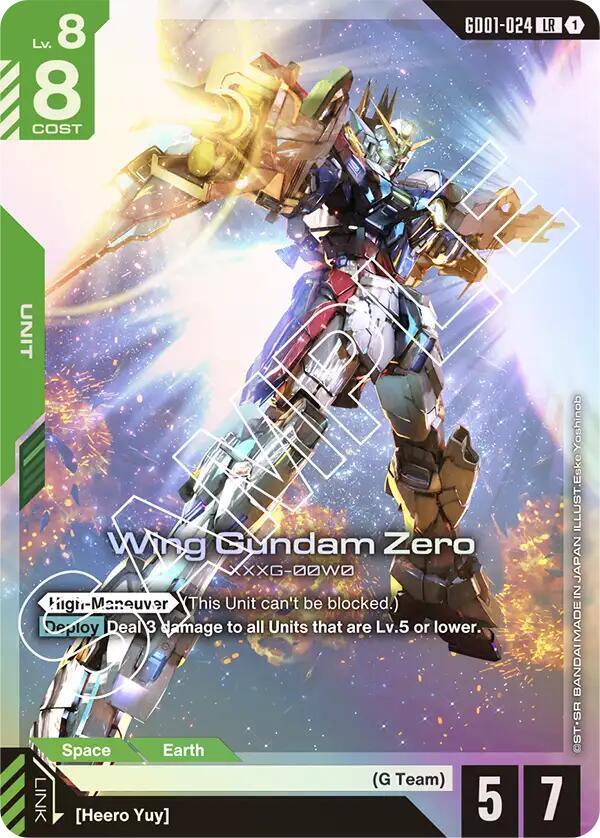
So the timing framework is consistent across the whole game: 【Main】 things happen on your turn by your choice; 【Action】 things happen in the structured response windows. Once you internalize that, every card's timing label tells you exactly when it's live.
Common Timing Mistakes
Trying to play a 【Main】 Command on the opponent's turn.
A 【Main】-only card simply can't be played during an Action Step. If you want a reactive trick, you need a card that shows 【Action】 (or 【Main】/【Action】). Check the bracket before you build around a "combat trick" plan.
Forgetting the defender acts first.
In the battle Action Step the non-active (defending) player gets the first window. If you're attacking and holding an 【Action】 trick, remember your opponent responds before you do — plan for their answer, not just yours.
Assuming you can respond any time.
Unlike some games, you can't act at "any" moment — only inside an open Action Step or your own Main Phase. If no Action Step is open, the window is closed, even for an 【Action】 card.
Letting the End Phase Action Step slip by.
The End Phase opens with an Action Step. If you have an 【Action】 effect that's best used end-of-turn, or Resources you'd otherwise waste, that's your window — don't pass it out of habit.
Quick Reference
- 【Main】: play only during your own Main Phase.
- 【Action】: play during an Action Step (incl. the opponent's turn).
- 【Main】/【Action】: playable at either time.
- Action Steps occur: during battle (after attack, before damage) and at the start of the End Phase.
- Priority: non-active (defending) player first, then active player; alternate until both pass in a row.
- Abilities: 【Activate・Main】 vs 【Activate・Action】 follow the same rules.
- Remember: card text always overrides the general rules if they conflict.
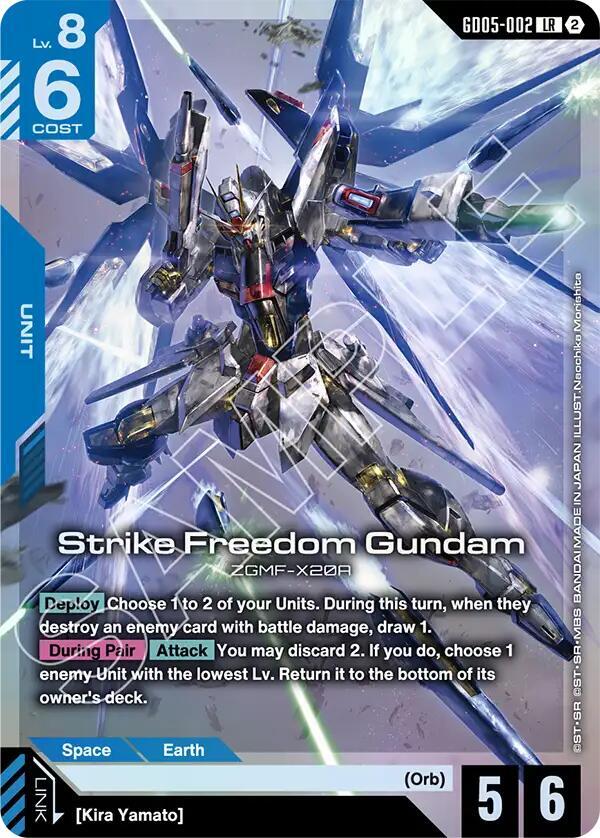
Master the Windows.
Timing is the difference between a Command card sitting dead in your hand and a perfectly-placed response. Read the bracket, know when the Action Steps open, and remember the defender acts first — and the reactive half of Gundam becomes second nature.
Keep Learning:
© GEEKYDOMAIN.COM | Strategy Powered by Data