

Before you build a deck, buy a Leader, or learn a single combo, you make one decision that shapes everything after it: your color. Here's what each of Fusion World's five colors actually feels like to play — and how to pick the one that fits you.
Every Dragon Ball Super Card Game: Fusion World player starts at the same fork in the road. Before the deckbuilding, before the combos, before the Awakening mind games, there's a single upstream question that colors — literally — every decision that follows: which of the five colors do you want to play? Get this right and the rest of the game feels natural, because you're playing a style that suits how your brain works. Get it wrong and you'll spend weeks fighting your own deck, wondering why the game feels like a chore.
Fusion World launched with four colors — Red, Blue, Green, and Yellow — and later added Black as the fifth, each with a distinct mechanical signature and a distinct personality. They aren't just visual flavor; the color you choose determines your win condition, your tempo, your interaction style, and the kind of decisions you'll be making turn after turn. This isn't a "which is strongest" tier list (that changes every set). It's a "which is you" guide that stays true regardless of the meta.
We'll break down what each color does mechanically, what it feels like to pilot, who it's best suited for, and the trade-offs you're accepting when you commit to it. By the end, you'll know which color — or which two-color pairing — matches your instincts. Note that mono-color is the default in Fusion World, so your first color choice is your primary identity.
The Short Version
Fusion World has five colors, each a different playstyle. Red is aggressive — cheap Battle Cards, fast pressure, power reduction; the best beginner color. Blue is defensive and tactical — energy manipulation and bouncing cards back to hand. Green is destruction-oriented — KO-ing Battle Cards and forcing discards. Yellow is control and resources — Resting your opponent's cards and flexible resource engines. Black is the newest color — "Another World" synergy and Energy Marker manipulation for board control and resource denial. If you want fast and simple, play Red. If you want reactive and tactical, play Blue or Yellow. If you want to grind your opponent out, play Green or Black. Your color is mostly a personality match, not a power ranking — pick the one whose decisions sound fun, because you'll be making them every single turn.
→ More Fusion World Guides
In This Guide
Why Color Comes First
In Fusion World, your deck is built around a Leader card, and your Leader has a color. Because the game's mono-color rule means most decks commit to a single color, that color choice cascades into nearly every other decision: which Battle Cards you can play, what your win condition looks like, how you interact with your opponent, and the rhythm of your turns.
This makes color the most important early decision a new player makes — more important than which specific Leader, more important than budget, more important than which set is current. A Leader you love in a color that doesn't suit your instincts will frustrate you. A color that matches how you like to play will make even a budget Leader feel great.
The colors aren't balanced to be identical — each does something the others can't. Red can't grind like Black; Yellow can't race like Red; Green interacts differently than Blue. That asymmetry is the point. Your job isn't to find the "best" color (the meta decides that, and it shifts every set). Your job is to find the color whose style of decisions you'll enjoy making hundreds of times across hundreds of games.
Red: The Aggressor
Signature playstyle: Fast, aggressive pressure. Red wants to deploy cheap, efficient Battle Cards and attack relentlessly, often reducing the opponent's power to clear blockers and push damage to the Leader. Red leans on "Critical"-style effects and power affliction to make combat lopsided in its favor.
What it feels like to play: Proactive and forward-leaning. You're almost always the one dictating tempo, forcing your opponent to react to your attacks rather than executing their own plan. Games are often short — you either close them out fast or run out of gas. There's a real thrill to the Red game plan: you're the aggressor, the clock, the one applying pressure from turn one.
Best for: Beginners & Aggressive Players
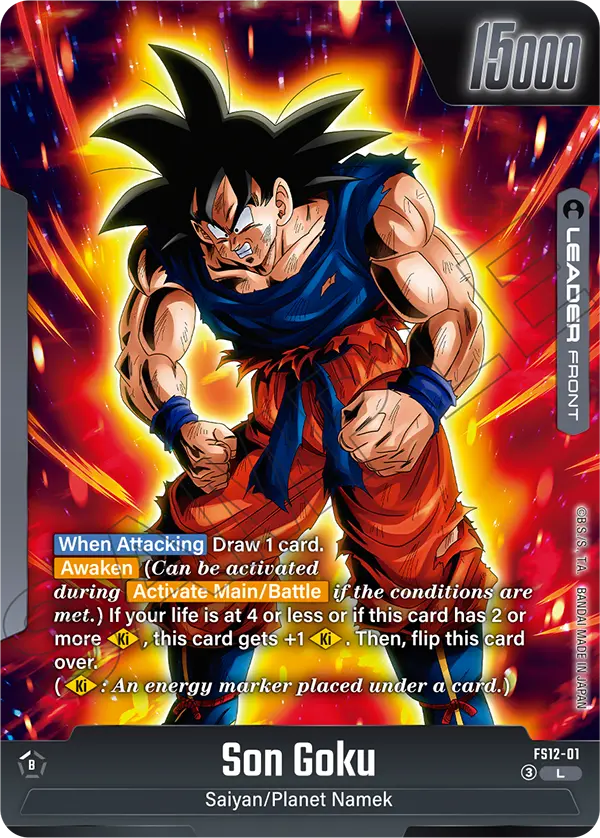
Red is widely recommended as the best beginner color, and it's not an accident — the original Son Goku starter deck (FS01) is Red precisely because the cards use clear, easy-to-understand effects. There's less to track, the game plan is intuitive ("attack, then attack again"), and you learn the game's combat fundamentals by doing them constantly. If you're new, or if you simply love being the aggressor, Red is your color.
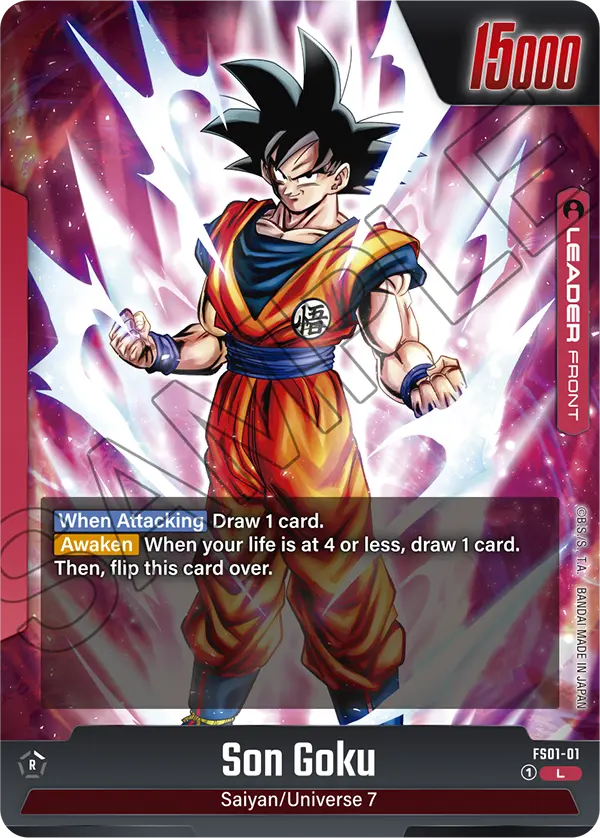
The trade-off: Red runs out of resources. If you don't close the game by the mid-game, you fall behind decks that out-grind you. Red also struggles against decks built specifically to survive early pressure — once your initial assault is blunted, you can lack the late-game power to finish. You're trading long-game resilience for early speed.
Blue: The Tactician
Signature playstyle: Defensive and tactical, built around energy manipulation and returning cards to hand (bounce). Blue interacts with the opponent's board by sending their Battle Cards back to their hand, forcing them to re-spend resources to redeploy — a tempo tax that wears them down over time. Blue often has activation requirements tied to hand size or specific conditions.
What it feels like to play: Reactive and cerebral. You're rarely racing; you're answering. The Blue player thinks a turn or two ahead, holding up responses and looking for the moment to bounce a key threat or untangle a board state in their favor. It rewards patience and punishes opponents who overextend. If you enjoy the chess-match feeling of out-positioning an opponent rather than out-racing them, Blue scratches that itch.
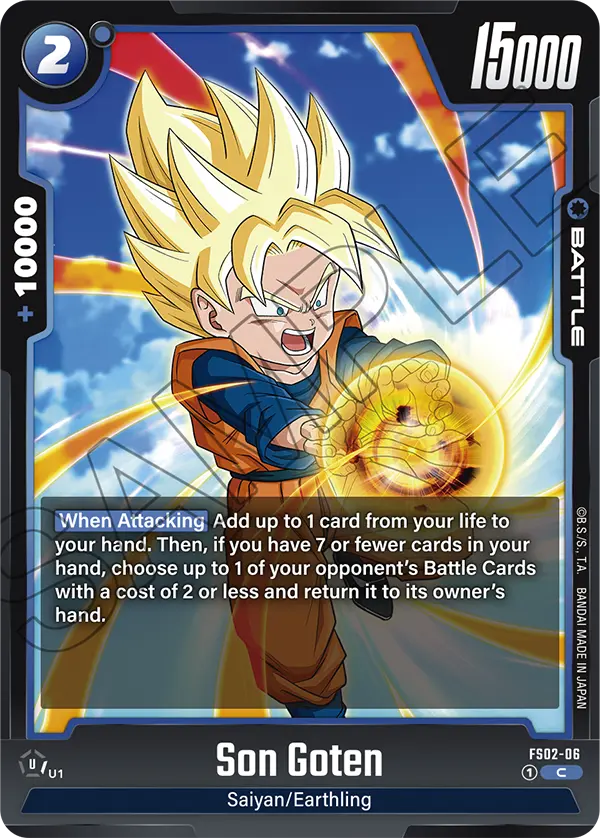
The trade-off: Blue's conditional effects mean it can feel clunky if your hand doesn't line up — some of its best cards need specific setups to fire. It's also more demanding to pilot well; the skill ceiling is high, and a misplay can cost you the tempo advantage that's the whole point of the color. Blue rewards experience and punishes autopilot.
Green: The Destroyer
Signature playstyle: Destruction-oriented. Green's identity is built around KO-ing the opponent's Battle Cards and forcing discards, grinding away their resources and board presence. Where Red removes blockers by reducing power in combat, Green removes them more directly — clearing the way and starving the opponent of options.
What it feels like to play: Attritional and methodical. The Green plan is to strip your opponent of everything they want to do, then win once they have nothing left. There's deep satisfaction in dismantling a carefully-built board or forcing a discard at exactly the wrong moment for your opponent. Green games can grind long, but you're the one in control of the grind.
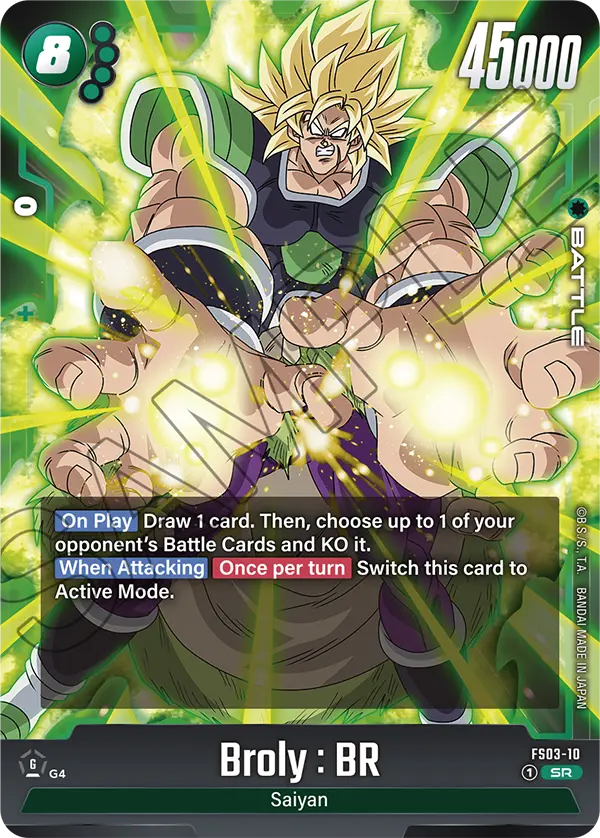
The trade-off: Green can be slower to actually close games — you're good at removing the opponent's stuff, but you still need a clock to convert that advantage into a win before time or resources run out. Against pure aggro that doesn't care about card advantage, Green's grind can be too slow if it doesn't establish control quickly enough.
Yellow: The Controller
Signature playstyle: Control-heavy and resource-flexible. Yellow's signature is "Rest" disruption — forcing the opponent's cards into Rest mode and preventing them from becoming Active again, effectively locking down their ability to attack or block. Yellow also tends to have flexible, resource-based strategies, giving it many ways to build and adapt.
What it feels like to play: Manipulative in the best sense. You're controlling what your opponent is allowed to do — tapping down their threats, denying them the use of their best cards, dictating the pace of the entire game. The Yellow player enjoys the feeling of taking away the opponent's options one by one until they simply can't function. It's the most "lockdown"-flavored color in Fusion World.
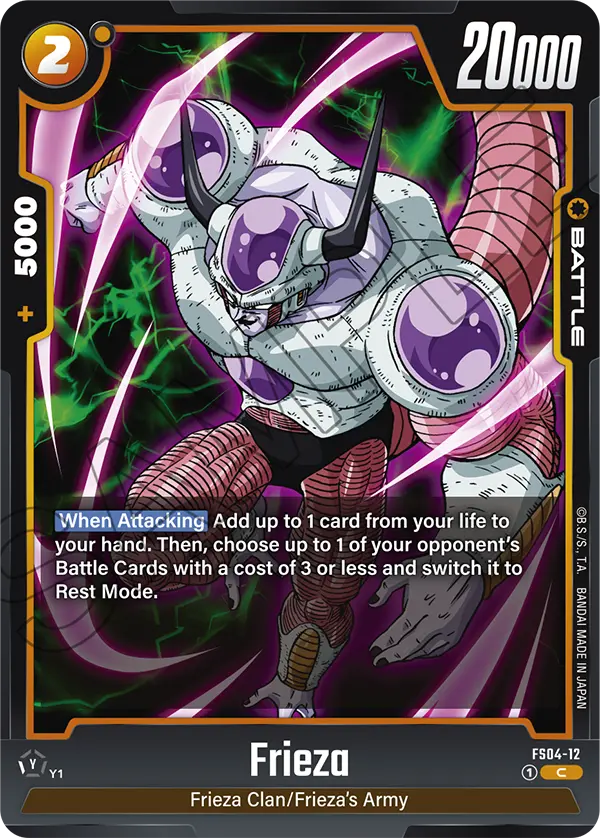
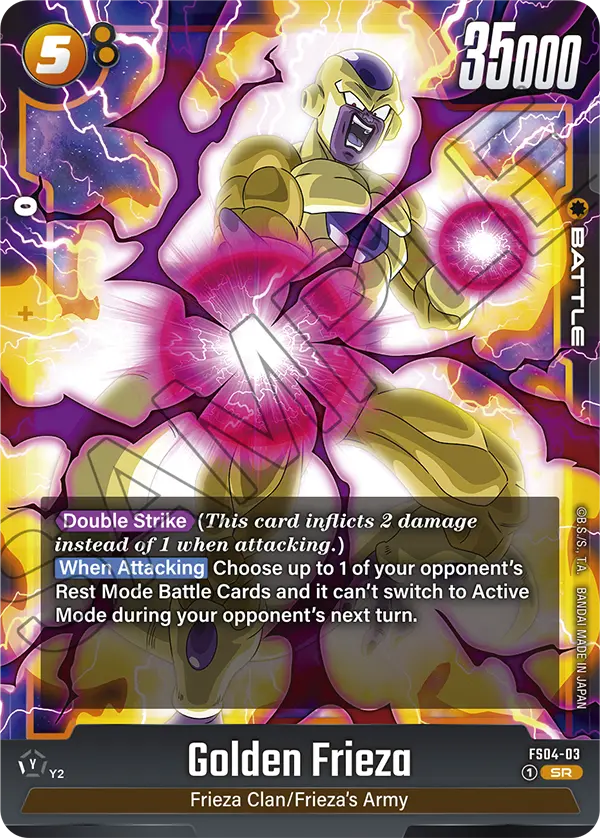
The trade-off: Yellow's flexibility is a double-edged sword — with so many ways to build, it can be hard for a new player to know which Yellow strategy to commit to, and a poorly-focused Yellow deck does a little of everything but nothing well. It also requires good sequencing; Resting the wrong threat at the wrong time wastes the disruption. Yellow rewards players who plan their lockdown carefully.
Black: The Disruptor
Signature playstyle: The newest color, built around Energy Marker manipulation and "Another World" synergy. Black decks generate and leverage Energy Markers to power up Battle Cards, play threats a turn early, and disrupt the opponent's resources. It's a board-control-and-denial color with a strong combo-synergy backbone — many Black cards reward you for having (or removing) an Energy Marker at the right moment.
What it feels like to play: Engine-driven and synergistic. Black is the color for players who like building a machine — setting up the Energy Marker economy, then leveraging it for tempo and disruption that snowballs. It rewards understanding the interplay between cards that need an Energy Marker present and cards that consume one, with sequencing decisions that genuinely affect outcomes. Black has been a consistently successful synergy color across recent sets.
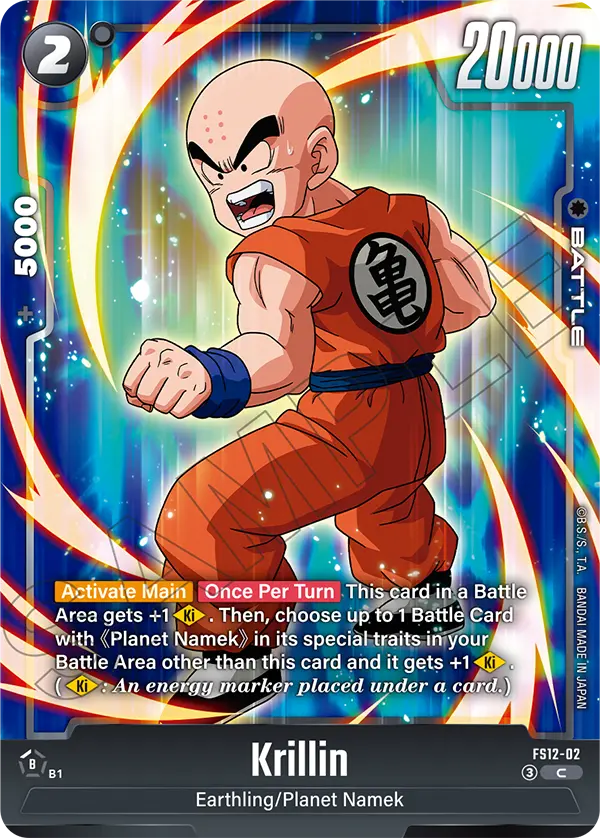
The trade-off: Black has the steepest learning curve of the five. The Energy Marker interactions are powerful but intricate — playing your cards in the wrong order can fizzle your whole turn. It's not the color to pick up if you want to play casually without thinking hard; it's the color to pick up if you love mastering an engine and being rewarded for tight, sequenced play.
The Colors at a Glance
| Color | Archetype | Signature | Difficulty |
|---|---|---|---|
| Red | Aggro | Cheap attackers, power reduction, Critical | Beginner |
| Blue | Tempo / Control | Bounce to hand, energy manipulation | Intermediate |
| Green | Midrange / Attrition | KO Battle Cards, force discards | Intermediate |
| Yellow | Control / Lockdown | Rest disruption, flexible resources | Intermediate |
| Black | Synergy / Disruption | Energy Markers, Another World synergy | Advanced |
Remember: this table describes identity, not power level. Any of these colors can be top-tier or bottom-tier depending on the current set and meta. Choose based on the row whose "Signature" and "Difficulty" sound most appealing to you.
Which Color Is You?
A quick self-diagnostic. Find the description that sounds most like how you want to play:
- "I want to win fast and keep the pressure on." → Red. You like being the aggressor, dictating tempo, and ending games before they get complicated. Start here if you're new.
- "I want to outsmart my opponent and react to their plays." → Blue. You enjoy the chess match — holding answers, bouncing threats, winning by positioning rather than speed.
- "I want to dismantle their board and starve them out." → Green. You like removal, attrition, and grinding opponents down until they have nothing left to play.
- "I want to control what my opponent is allowed to do." → Yellow. You enjoy lockdown — Resting their threats, denying them their plays, dictating the whole game's pace.
- "I want to build an engine and reward myself for tight play." → Black. You love synergy decks and sequencing puzzles. Pick this once you're comfortable with the game's fundamentals.
A Note on Two-Color Decks
Fusion World's default is mono-color — most competitive decks commit to a single color because the mono-color rule rewards consistency. But your Leader's color identity is the anchor, and as you advance, you'll encounter strategies that splash or pair colors where the card pool allows.
For your first deck, though, keep it mono-color. Learning one color's tools, tempo, and decision patterns is the fastest way to actually get good. Two-color experimentation is something to explore once you understand what a single color wants to do — trying to pilot a multi-color deck before you've mastered one color's fundamentals usually means doing two things poorly instead of one thing well. Master your identity first; expand later.
Common Color-Choice Mistakes
Mistake #1: Picking a color because it's "the best right now."
Meta tier lists change every set. The color that's dominant today may be mid-tier in three months when the next expansion drops. If you pick purely on power and the meta shifts, you're stuck playing a style you don't enjoy. Pick on personality fit first; the meta will always have a viable build of the color you actually like playing.
Mistake #2: Starting with Black as your first color.
Black's Energy Marker engine is rewarding once you understand the game, but it's the hardest color to pilot well. Starting with Black as an absolute beginner often means losing games to sequencing errors you don't yet understand. Learn the fundamentals with Red (or another straightforward color) first, then graduate to Black's complexity when you're ready.
Mistake #3: Picking by favorite character instead of playstyle.
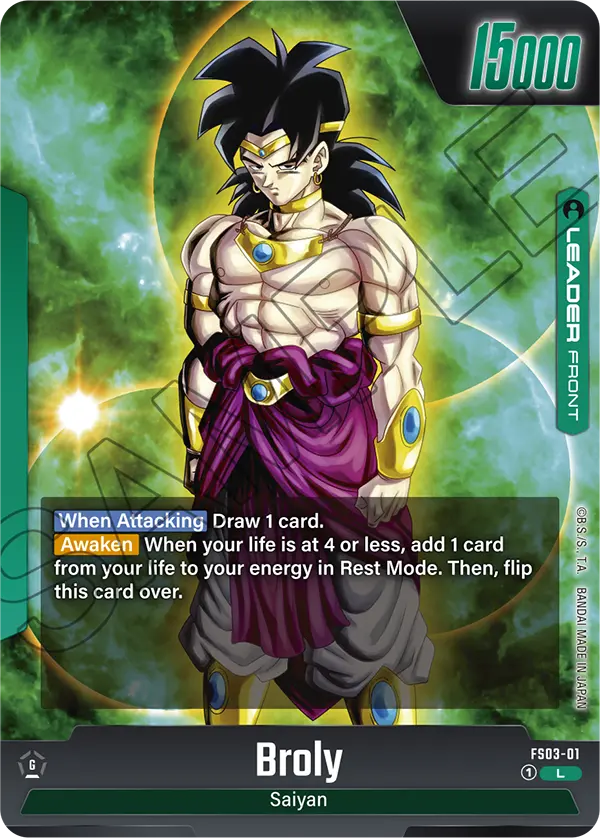
It's tempting to play Blue because you love Vegeta, or Green because Broly is your favorite. That's fine if the color's playstyle also suits you — but if you love an aggressive game and your favorite character anchors a slow control color, you'll be miserable. Favorite characters appear across multiple colors and sets; find your playstyle first, then find a Leader you love within it.
Mistake #4: Going two-color before mastering one.
New players often want to combine two colors' best cards immediately. Mono-color is the Fusion World default for a reason — consistency. Learn one color's complete toolkit and decision patterns before you complicate things. You'll improve far faster mastering one identity than dabbling in two.
Mistake #5: Abandoning a color after a few losses.
Every color has a learning curve, and early losses are usually about unfamiliarity, not the color being bad. Give a color real time — a few weeks of regular play — before deciding it's not for you. Switching colors every time you lose means never developing the deep familiarity that actually wins games.
FAQ & Quick Reference
- What's the easiest color for a complete beginner? Red. The original Son Goku starter deck is Red specifically because the cards are straightforward, the game plan is intuitive, and you learn combat fundamentals by doing them every turn. Most new-player guidance points to Red as the on-ramp color.
- Which color is the most powerful? There's no permanent answer — it changes every set as new Leaders and cards release. That's exactly why this guide focuses on identity over power. Whatever the current meta, there's a competitive build of the color you enjoy playing. Check current tier lists and meta reports for the present-set rankings, but choose your color on fit, not on the tier list.
- Can I change colors later? Absolutely. Nothing locks you into a color — many players settle on a "main" color but build other-color decks for variety or specific matchups. Your first color is just your entry point, not a lifetime commitment. That said, sticking with one color long enough to master it pays off more than constantly switching.
-
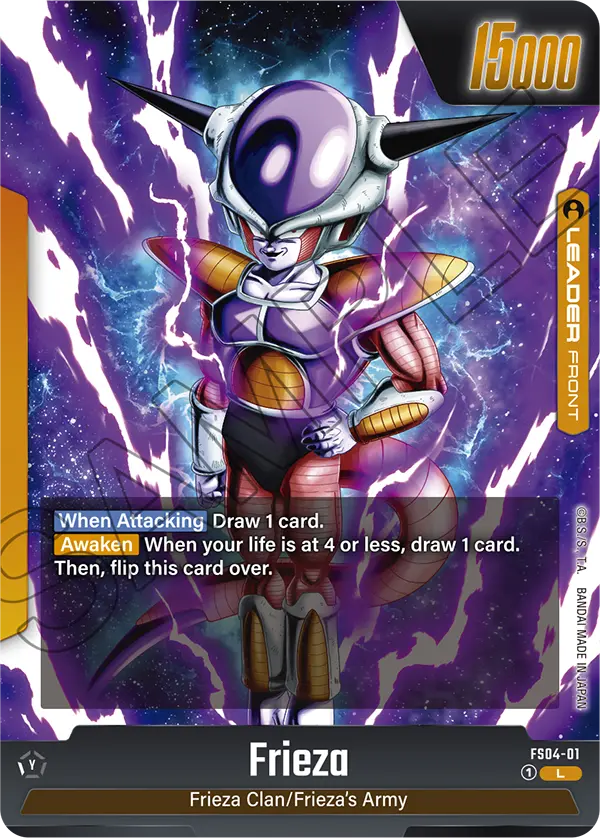
Is Black available in starter decks, or only boosters? Black was added after the original four-color starter lineup (Son Goku/Red, Vegeta/Blue, Broly/Green, Frieza/Yellow), so the earliest starters didn't include it. Black support has grown through booster sets and later products. If you want to play Black, check current starter and booster availability — the card pool has expanded significantly since the color debuted.
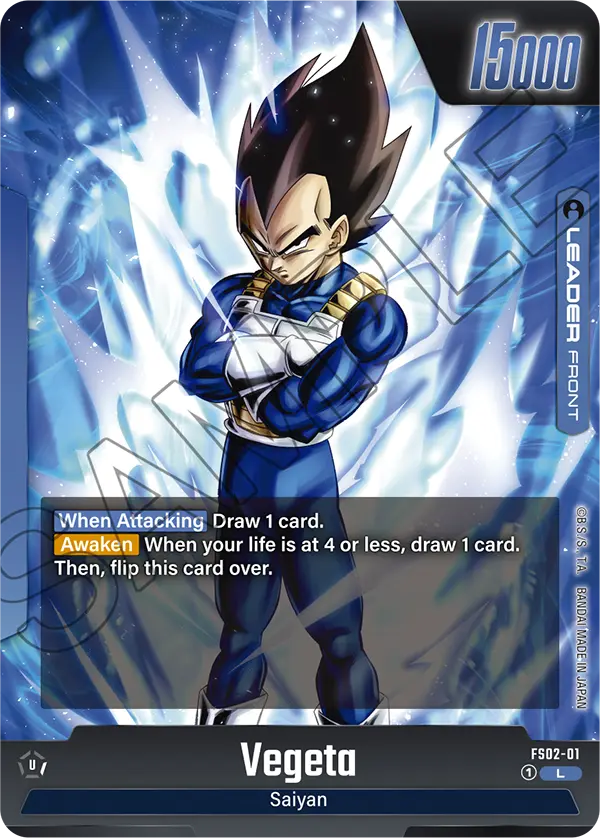
- Do the colors map to specific Dragon Ball characters? Loosely, but not rigidly. The same character can appear across multiple colors in different cards (there are Red Gokus and Blue Gokus, for instance). Color is about mechanical identity, not strictly about which characters belong to it. Don't assume your favorite character locks you into one color — they likely appear in several.
- Red: Aggro. Fast, cheap attackers, power reduction. Best beginner color.
- Blue: Tempo/control. Bounce to hand, energy manipulation. Cerebral and reactive.
- Green: Attrition. KO Battle Cards, force discards. Methodical grinder.
- Yellow: Control. Rest disruption, flexible resources. Lockdown specialist.
- Black: Synergy. Energy Markers, Another World. Advanced engine color.
- Choose on: personality fit, not the current tier list.
- Start mono-color: master one identity before exploring two-color decks.
- New player path: Red first, branch out once fundamentals click.
Your Color Is Your Identity. Choose It Well.
The best color in Fusion World isn't the one topping the current tier list — it's the one whose decisions you'll enjoy making, game after game, set after set. Red's relentless pressure, Blue's tactical patience, Green's grinding destruction, Yellow's lockdown control, Black's engine-building synergy: each is a complete and rewarding way to play. Pick the one that sounds like you, learn it deeply, and you'll have a far better time than the player chasing whatever's strongest this month.
© GEEKYDOMAIN.COM | Strategy Powered by Data