

Modern Pokémon TCG Rules: What's Changed Since Base Set
If you learned the Pokémon TCG in 1999 and picked it up again today, you'd recognize the cards but not the game. Here's what's actually changed in the rules — and what hasn't.
Pick up a modern Pokémon TCG deck after a couple of decades away and the core still feels familiar: 60 cards, six Prizes, knock out your opponent's Pokémon to win. But sit down for an actual game and you'll hit a dozen small surprises — the first player can't attack anymore, that coin flip you remember for Confusion works differently, and half the cards have keywords that didn't exist in 1999. The skeleton is the same; almost everything around it has been refined.
Most of those changes were deliberate fixes. The original Wizards of the Coast rules had quirks — first-turn blowouts, swingy coin flips, ambiguous wording — that the game has spent 25 years smoothing out. The result is a faster, more consistent, more strategic game that still rewards the same instincts. Understanding what changed (and why) is the quickest way for a returning player to feel current, and a neat bit of history for newer players too.
This guide walks through the meaningful rule changes from Base Set to the current Scarlet & Violet era: the first-turn rules, the status and coin-flip cleanups, the rise of Trainer subclasses and Abilities, the parade of special Pokémon mechanics, and the rotation system that keeps the modern game fresh. If you're more interested in the cards themselves than the rules, our Base Set collecting guide covers that side.
The Short Version
The fundamentals are unchanged — 60-card deck, 6 Prizes, bench of 5, one Energy attachment per turn, win by taking all your Prizes. What's changed is the cleanup. The biggest: in Base Set the coin-flip winner had to go first and could attack on turn one; today you may choose to go first, but the first player can't attack on their first turn (a catch-up fix). A mulligan now gives the opponent 1 card (it used to be 2). Status conditions and Confusion were simplified away from some of their swingy coin-flip rules. Trainer cards split into Item / Supporter / Stadium subclasses, and the old "Pokémon Powers" became the unified Abilities keyword. A long line of special mechanics arrived — ex, Mega/EX, GX, V/VMAX, and now Scarlet & Violet "ex" plus the Terastal (Tera) phenomenon. And a yearly rotation (by "regulation mark") now keeps the Standard format fresh. Same game at heart; far more polished.
→ More Pokémon Guides
In This Guide
What Hasn't Changed
It's worth starting here, because the foundation is genuinely intact — if you knew the game in 1999, most of your instincts still work:
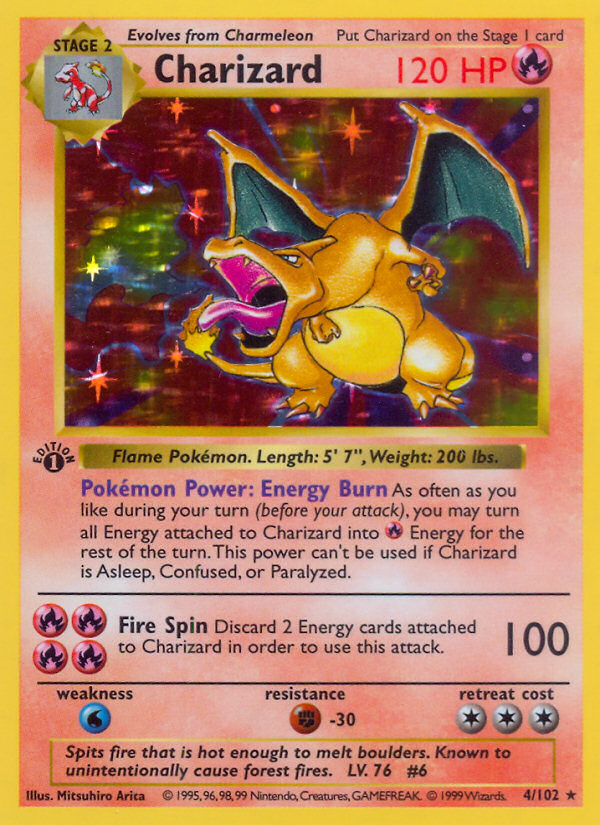
- The core loop. 60-card deck, draw 7, set 6 Prizes, one Active Pokémon and up to 5 on the bench. Take all your Prizes (or leave the opponent with no Pokémon in play) to win.
- Energy and attacking. You still attach one Energy per turn from your hand and need the right Energy to use an attack. Pokémon still have Weakness and Resistance applied during damage.
- Evolution basics. Basic → Stage 1 → Stage 2, played on top of the prior stage, and an evolved Pokémon can still attack the same turn it evolves. You still can't evolve a Pokémon the turn you played it (or the first turn).
So the mental model carries over. What's changed is the fine print around that model — the rules that govern how those pieces interact, almost all tuned to make the game fairer and less random. Let's go through the ones that'll actually trip up a returning player.
The First-Turn Rules
This is the single biggest change a returning player notices. In Base Set and the whole Wizards era, the rules were blunt: the coin-flip winner had to go first, and the first player could do everything on turn one — draw, play Trainers, attach Energy, and attack. Going first was a clear advantage, and turn-one attacks could end games before they started.
The modern rule is a deliberate catch-up fix: you still flip to see who goes first (and may now choose to take it), but the first player cannot attack on their first turn. That single restriction takes most of the sting out of going first and gives the second player a fair shot to set up.
Then: coin-flip winner goes first AND can attack turn one.
Now: you may choose to go first, but the first player can't attack on turn one.
There's also a quieter related change: the mulligan penalty shrank. In Base Set, if you opened with no Basic Pokémon, you revealed your hand, reshuffled, and your opponent drew two extra cards per mulligan. Today the opponent draws just one per mulligan — a gentler penalty for an unlucky opening hand.
Status & Coin-Flip Cleanups
The original game leaned heavily on coin flips for status conditions, and several of those rules have been streamlined to reduce randomness and confusion.
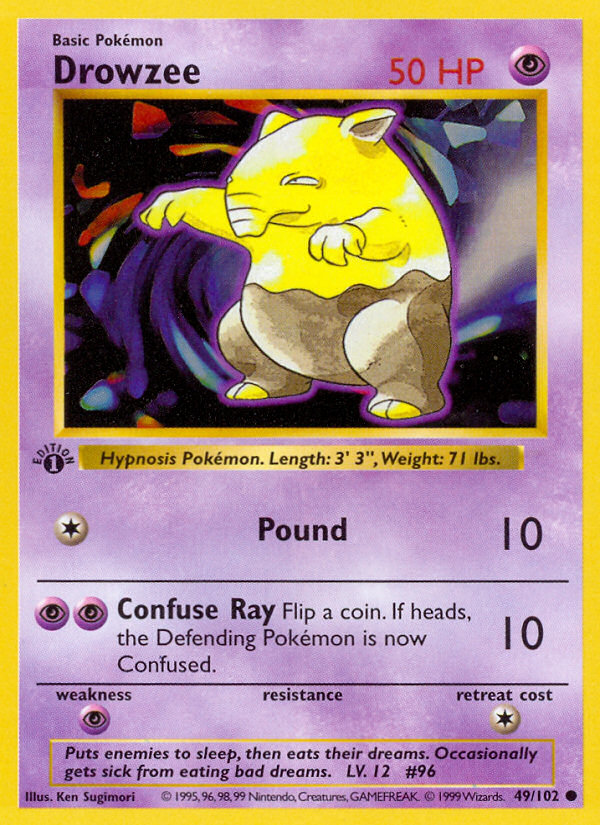
- Confusion. In the Wizards era, a Confused Pokémon that failed its attack flip dealt 20 damage to itself, and that self-damage even applied Weakness/Resistance; retreating while Confused also required a coin flip. The modern rules simplified this into a cleaner, more predictable self-damage check without the fiddlier old wrinkles.
- Status check timing. Status conditions (Asleep, Paralyzed, Poisoned, Burned, Confused) are now resolved during a clearly defined between-turns "Pokémon Checkup," for both players, rather than the looser timing of the early game. Burn — which didn't exist in the very first sets — is part of the modern status roster.
- Cleaner wording overall. Decades of templating work mean modern cards spell out interactions far more precisely than Base Set's sometimes-ambiguous text, cutting down on the rules arguments that defined early play.
The throughline of all these changes is the same: less swing, more skill. The early game's reliance on coin flips for core outcomes has been steadily dialed back so that games are decided more by deckbuilding and decisions than by luck.
Trainers & Abilities
Two big structural additions arrived after Base Set and are now fundamental to how the game plays.
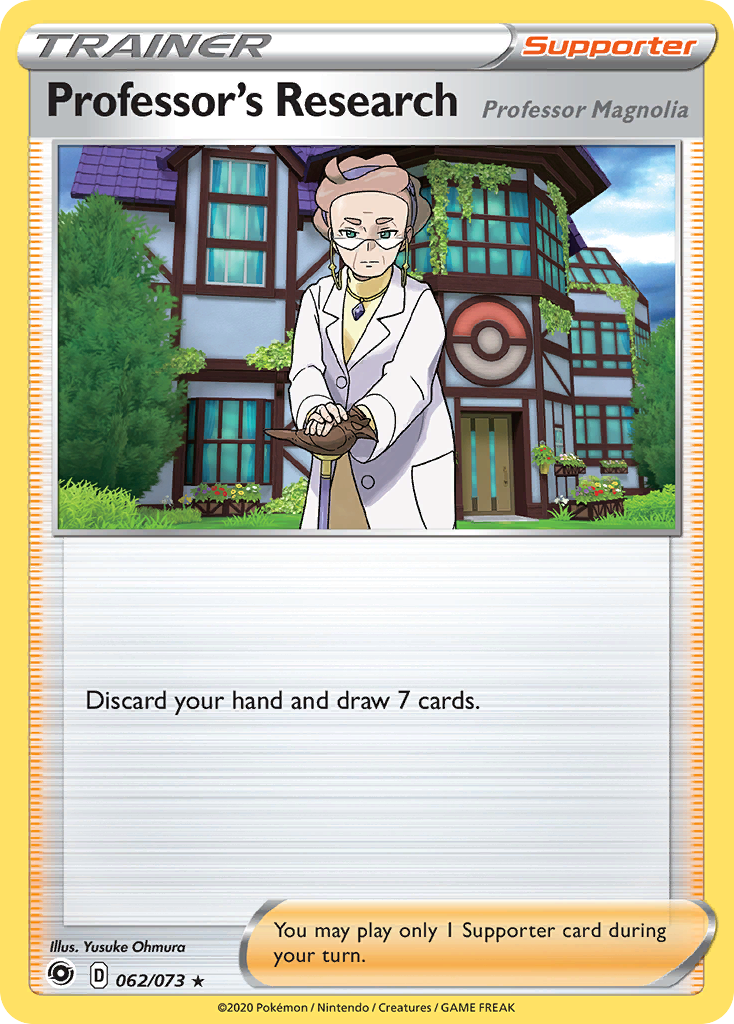
Trainer subclasses. Base Set lumped most non-Pokémon, non-Energy cards together as "Trainer" cards. The modern game splits Trainers into clear subclasses — Item, Supporter, and Stadium — each with its own rules. The headline one: you can play any number of Items a turn, but only one Supporter per turn, which makes powerful draw and search effects a real deckbuilding constraint. (Supporters also now go to the discard immediately when used, rather than lingering until end of turn as in some early rules.)
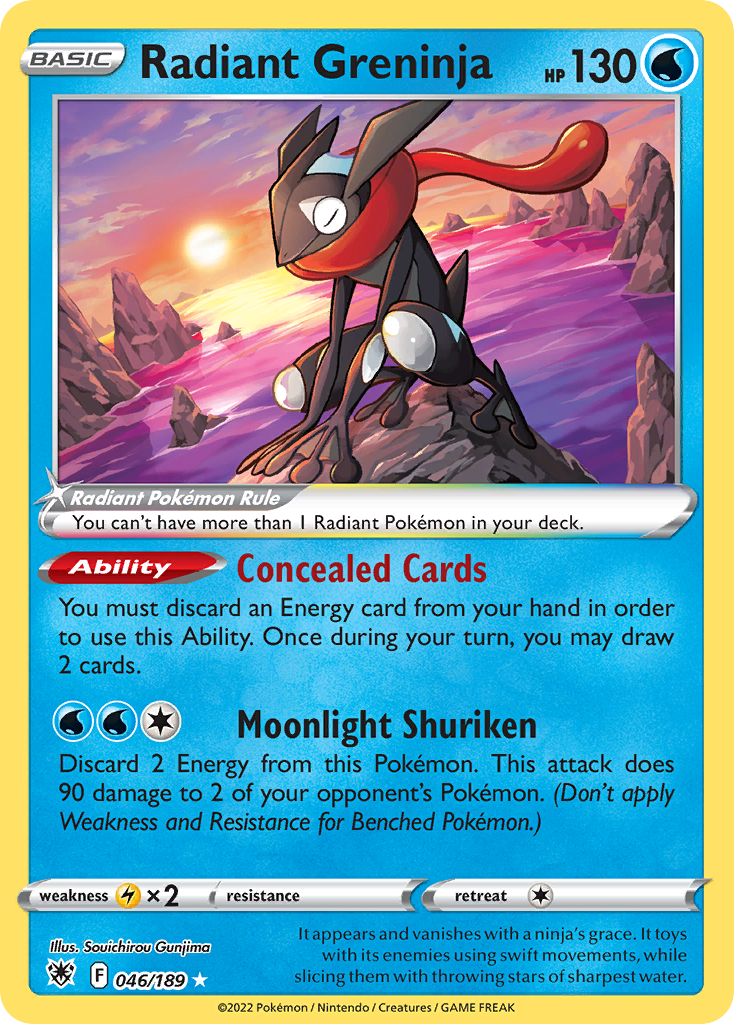
Abilities. The Base Set generation had "Pokémon Powers" — special non-attack effects on certain Pokémon. Over time these were unified and rebranded as Abilities, the single keyword used today for passive and activated Pokémon effects (drawing cards, accelerating Energy, manipulating the board). It's the same basic idea, but standardized and far more common — modern decks are often built around an Ability engine.
Why It Matters for Deckbuilding
These two changes are why modern decks feel so much more consistent than Base Set decks. The one-Supporter-per-turn rule shapes how you sequence draw and search, and powerful Abilities provide the repeatable engines that let modern decks reliably do their thing turn after turn. A returning player's biggest adjustment is learning to think in terms of Supporters and Ability engines rather than just attackers and Energy.
The Special-Pokémon Parade
Perhaps the most visible change is the long line of "special" Pokémon card types that have come (and sometimes gone) since Base Set. Each generation introduced a powerful new mechanic, usually with a trade-off attached. A rough timeline:
| Era | Headline mechanic |
|---|---|
| Base Set era | Basic / Stage 1 / Stage 2, Pokémon Powers |
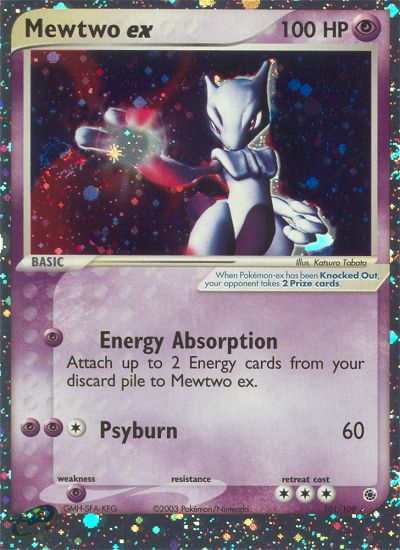
| Ruby & Sapphire (early ex) | Pokémon-ex — powerful, but worth an extra Prize when KO'd |
| Diamond & Pearl | Pokémon LV.X |
| Black & White | Trainer subclasses & Abilities formalized; EX cards |
| XY | Mega Evolution (Mega EX) |
| Sun & Moon | Pokémon-GX (one powerful GX attack per game) |
| Sword & Shield | Pokémon V / VMAX / VSTAR |
| Scarlet & Violet (current) | Pokémon ex returns + Terastal (Tera) phenomenon |
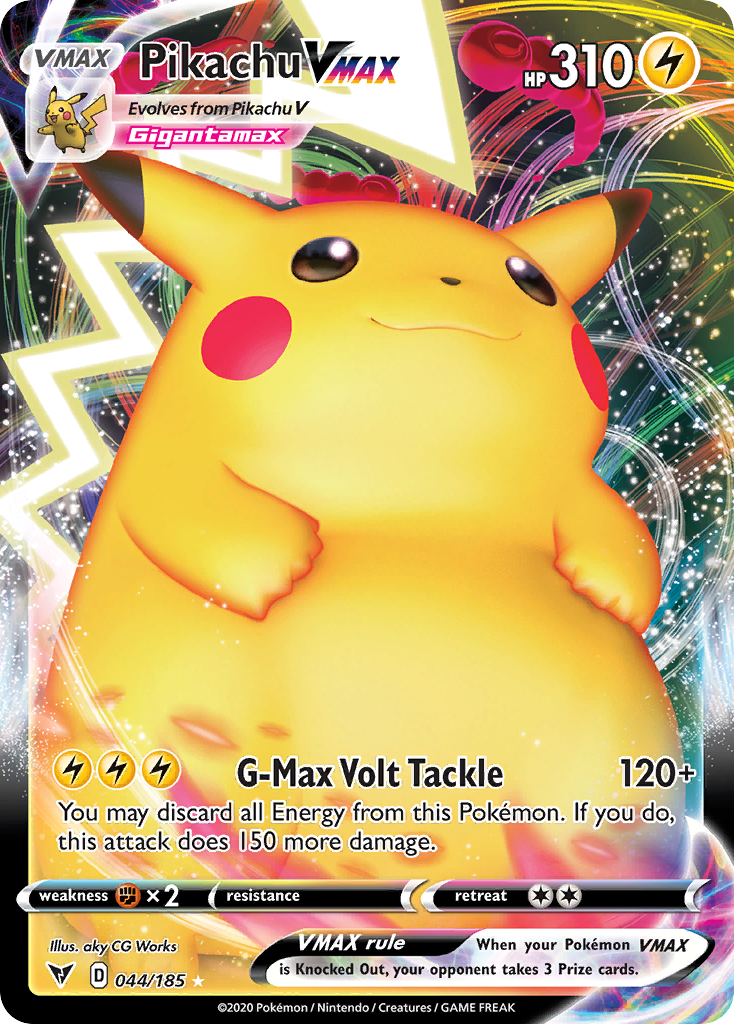
The recurring design idea across all of them is a risk/reward Prize trade: these big Pokémon hit harder or do more, but knocking one out usually gives the opponent extra Prizes (often two, sometimes three), so building around them is a gamble. It's the modern game's central balancing lever — and a concept that simply didn't exist in Base Set, where every knockout was worth exactly one Prize.
The Modern Era & Rotation
The current game is the Scarlet & Violet "ex" era. It brought back the ex mechanic (now lowercase, reimagined), added the Terastal phenomenon (Tera Pokémon that can shift the rules of how they're attacked), introduced Paradox and Ancient Pokémon, and even changed the card frames — the iconic yellow border is gone, and booster packs now include several guaranteed foils.
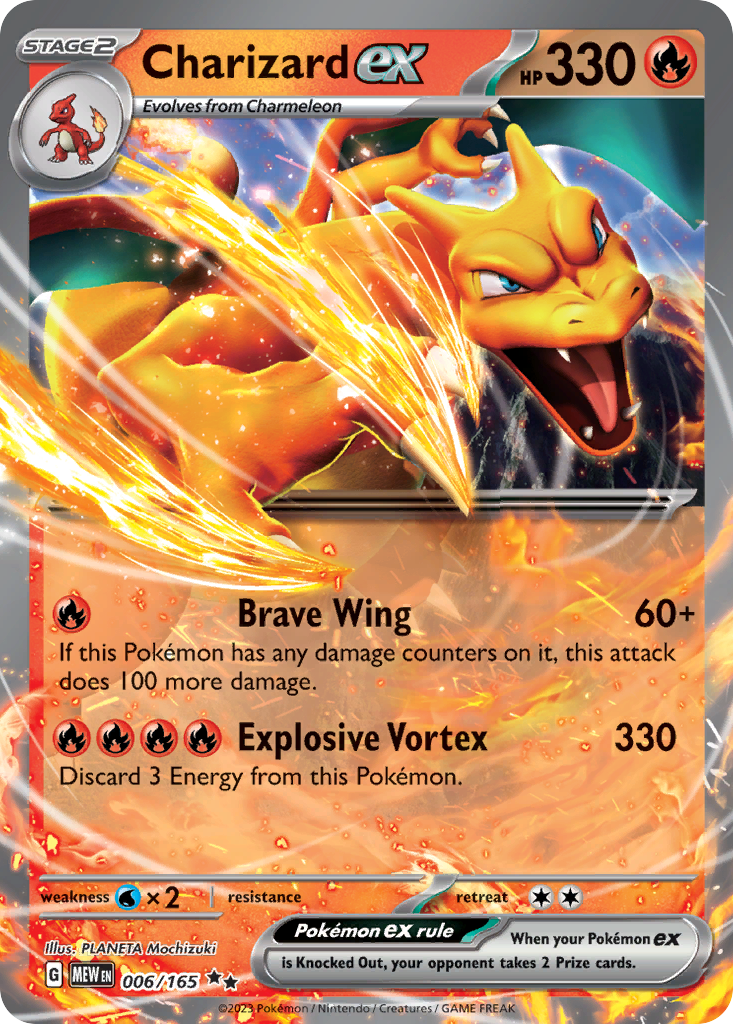
The other modern fixture that didn't exist in Base Set is rotation. To keep the competitive Standard format fresh, Pokémon retires older sets each year — tracked by a "regulation mark," a small letter on the card. Cards with the oldest mark rotate out of Standard annually (the 2026 rotation, for example, retires the "G"-marked early Scarlet & Violet cards in April, moving the format onto newer "H/I/J" sets). Older cards remain playable in the Expanded and Unlimited formats.
The modern game keeps moving.
Because of rotation and yearly mechanic updates, "modern" is a moving target — the specific era, legal sets, and hot mechanics change. The structural rules in this guide are stable, but if you're returning to competitive play, always check the current Standard-legal sets and the latest set's new mechanic before building. The era described here is current as of early 2026.
Returning-Player Pitfalls
Pitfall #1: Trying to attack on your first turn (as the first player).
The most common reflex from the old days. The first player can no longer attack on turn one — plan that turn for setup (Energy, bench, search), not aggression.
Pitfall #2: Playing multiple "Supporter" Trainers in a turn.
In Base Set you could chain Trainers freely. Now only one Supporter per turn is allowed (Items are still unlimited). Plan your single Supporter carefully — it's often the most important play of the turn.
Pitfall #3: Forgetting big Pokémon give up extra Prizes.
Those powerful ex (and V, GX, etc.) Pokémon are tempting, but each one KO'd hands your opponent two or more Prizes. Build with that math in mind — a deck of all multi-Prize attackers can lose the Prize race fast.
Pitfall #4: Buying old cards for Standard play.
Rotation means your nostalgic favorites may not be Standard-legal. Before investing in cards to play competitively, check the current regulation marks — or play Expanded/Unlimited, where older cards are welcome.
Pitfall #5: Confusing the physical game with Pokémon TCG Pocket.
The popular mobile game, Pokémon TCG Pocket, uses heavily simplified, different rules (an auto-generating Energy zone, smaller decks, no decking-out loss). It's fun, but don't bring its rules to a physical table — they're separate games.
FAQ & Quick Reference
- Can the first player attack on turn one? No — not anymore. In Base Set they could, but the modern rules prohibit the first player from attacking on their first turn as a catch-up measure. You can still play Trainers, attach Energy, and build your board that turn.
- What's the difference between a Pokémon Power and an Ability? They're essentially the same concept — "Pokémon Power" was the Base Set-era term, later unified into "Ability." Modern Abilities are more common and more central to deckbuilding, often forming a deck's engine.
- Why do some Pokémon give up two Prizes? That's the trade-off for the special high-power Pokémon (ex, V, GX, and so on). They're stronger than ordinary Pokémon, so knocking one out rewards the opponent with extra Prizes — usually two, sometimes three for the biggest ones. Base Set had no such cards; every KO was one Prize.
- Are my old Base Set cards still legal? Not in Standard — rotation retired them long ago. They're legal in the Unlimited format (and many in Expanded), so you can still play them in the right setting. For tournaments, check the current regulation marks. As collectibles, of course, they're as valuable as ever.
- What's the current era of the game? As of early 2026 it's the Scarlet & Violet "ex" era, featuring the returned ex mechanic and the Terastal (Tera) phenomenon. Because the game updates yearly, check the latest set if you're building for competitive Standard.
- Unchanged: 60-card deck, 6 Prizes, bench of 5, one Energy/turn, take all Prizes to win.
- First turn: you may choose to go first, but the first player can't attack turn one.
- Mulligan: opponent draws 1 (was 2); status/Confusion rules simplified.
- Trainers: split into Item / Supporter (one per turn) / Stadium.
- Abilities: the old "Pokémon Powers," unified and now central.
- Modern: Scarlet & Violet ex + Tera; multi-Prize special Pokémon; yearly rotation.
Same Game, Sharper Edges.
The Pokémon TCG you learned in 1999 is still in there — the deck, the Prizes, the Energy, the evolutions all work the way you remember. What's changed is 25 years of polish: a fairer first turn, fewer game-deciding coin flips, the structure of Supporters and Abilities, a parade of risk/reward special Pokémon, and a rotation system that keeps the competitive game fresh. Learn those handful of changes and a returning player slots right back in. The cards got flashier and the rules got tighter, but the heart of the game — build a deck, knock out Pokémon, take your Prizes — beats exactly as it always did.
Keep Exploring:
© GEEKYDOMAIN.COM | Strategy Powered by Data