

Almost every Lorcana deck runs two inks — but you can build with just one. Is a single-ink deck actually viable, especially on a budget? Here's the honest answer.
Open any Lorcana tier list and you'll see the same thing: nearly every competitive deck runs two ink colors. That can make a new player wonder whether building with a single ink — a mono-ink deck — is a mistake, a trap, or a secret budget gem. The short answer is that mono-ink is genuinely viable for casual, budget, and beginner play, and a fine way to learn the game — but it comes with a real ceiling that's worth understanding before you commit.
The good news is that going mono-ink doesn't hurt you the way it might in other card games, because of how Lorcana's ink works. The catch is more subtle, and it has nothing to do with resources — it's about covering your weaknesses.
This guide explains how ink really works, the true tradeoff of going mono, the case for and against it, which of the six inks make the best single-ink decks, and an honest verdict on viability. The ink identities and meta picture here are verified; the viability call is our analysis, and the competitive meta shifts over time, so treat tier talk as a current snapshot.
The Short Version
Ink in Lorcana is generic — any card you ink pays for any color — so building mono-ink carries no resource penalty at all. The reason almost all top decks run two inks is coverage: pairing colors lets each cover the other's weaknesses, and every single ink has gaps it can't patch on its own (Amber lacks removal, Sapphire is slow, Steel is slow on lore). Mono-ink decks are cheaper, simpler, and highly synergistic, which makes them excellent for budget, casual, and beginner play — but they sit a tier below the best two-ink meta decks competitively. The most self-sufficient inks (Steel, Amber, Emerald, Ruby) make the strongest mono decks. Verdict: viable and fun, just not top-tier.
→ More Lorcana Strategy
In This Guide
First, How Ink Actually Works
Here's the fact that reframes the entire question: ink in Lorcana is generic. When you put a card into your inkwell, it becomes one unit of ink that can pay for a card of any color. Unlike games where you need matching colored mana to cast a spell, you never need a specific ink color to play a card.
That means the usual penalty for splashing or playing multiple colors elsewhere — being unable to pay for your cards — simply doesn't exist in Lorcana. A two-ink deck never struggles to "find the right color" of ink, and a mono-ink deck gains no resource advantage from its focus. On the resource axis, mono and two-ink decks play identically.
So why does the format limit you to two inks at all? Purely for synergy. As Lorcana's own deckbuilding guidance puts it: you don't need matching ink to play your cards, but you focus your colors so that your cards work together. The two-ink cap exists to make deckbuilding a meaningful choice — and that choice is about what tools you have access to, not what you can afford to cast.
The Real Tradeoff: Coverage
If ink isn't the issue, what is? Coverage. The single most repeated piece of Lorcana deckbuilding advice is to pair colors that cover each other's weaknesses — and that advice exists because every ink has clear weaknesses.
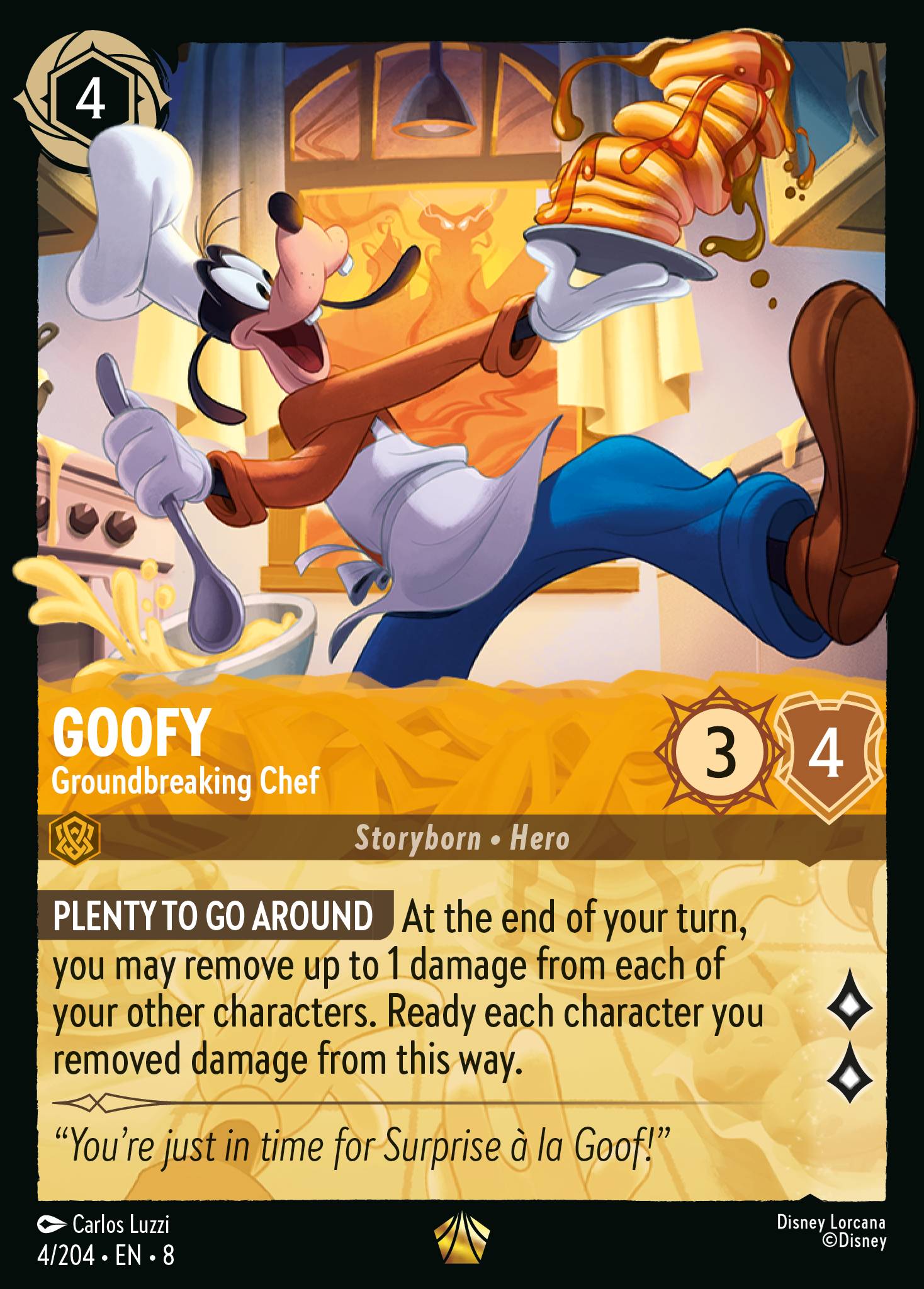
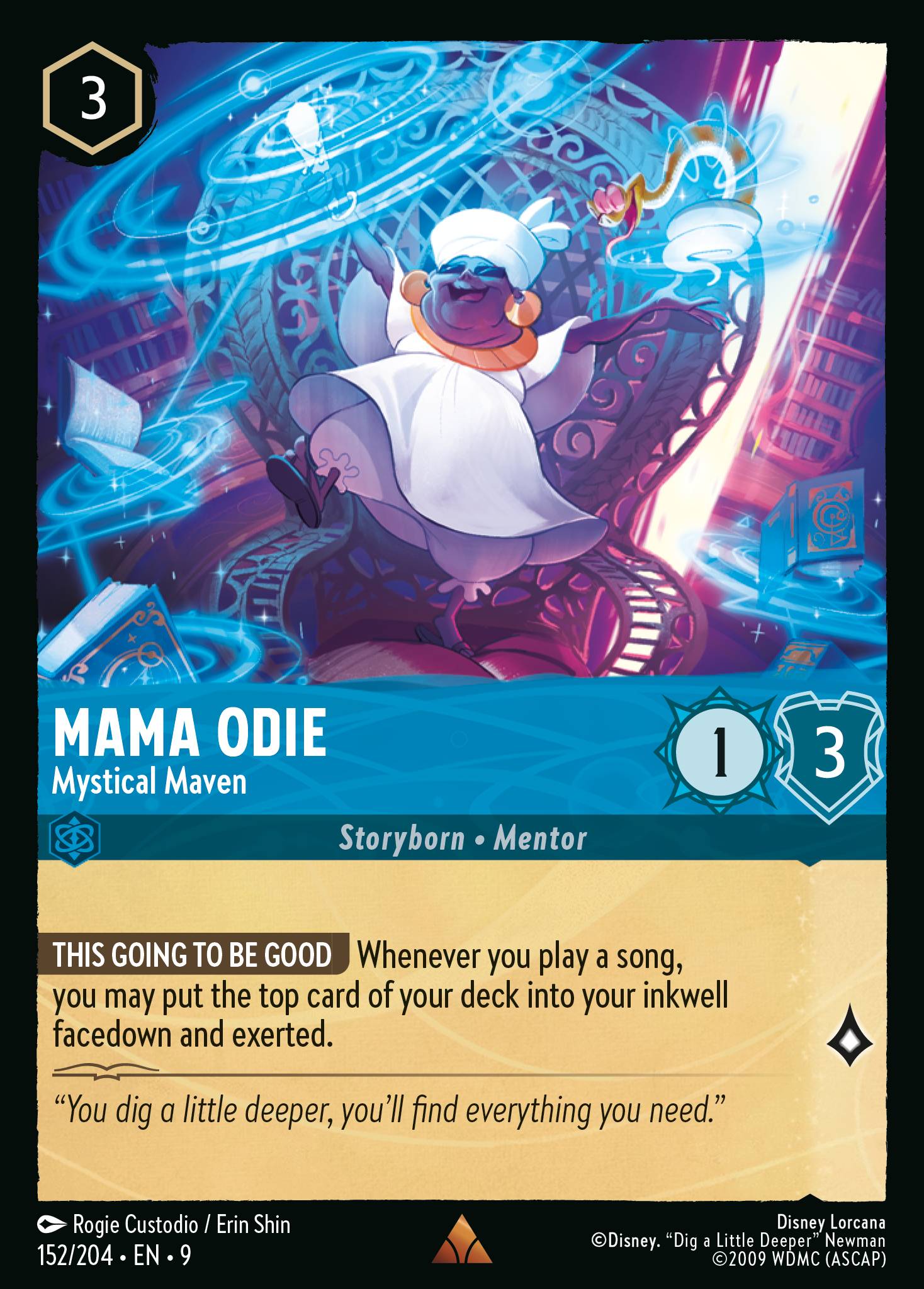
Amber, for instance, is fantastic at going wide and protecting its board but lacks direct removal. Sapphire has the best ramp and late game but a slow, vulnerable early game. Steel has the strongest combat and removal but struggles to generate lore quickly. A two-ink deck papers over these gaps: pair a slow, powerful color with a fast one, or a lore-light removal color with a questing color, and suddenly the deck has no glaring hole.
A mono-ink deck can't do that. Whatever your single color is bad at, your deck is bad at — full stop. You can't splash three cards of removal into mono-Amber, or borrow Ruby's early aggression for slow Sapphire. That inability to cover your weaknesses is the true cost of going mono, and it's the reason the top of the meta is almost entirely two-ink.
The Case For Mono-Ink
Despite that ceiling, mono-ink has genuine advantages — and several of them are exactly what a budget or new player wants:
- It's cheaper. You only collect cards from one color, and you sidestep the expensive dual-color staples that define top meta decks. When competitive two-ink lists can climb well past a hundred dollars, a focused mono build keeps your investment small.
- It's simpler to build and pilot. One color means a clearer game plan and fewer decisions, which makes mono-ink an excellent teacher. You learn one ink's tools deeply instead of juggling two.
-
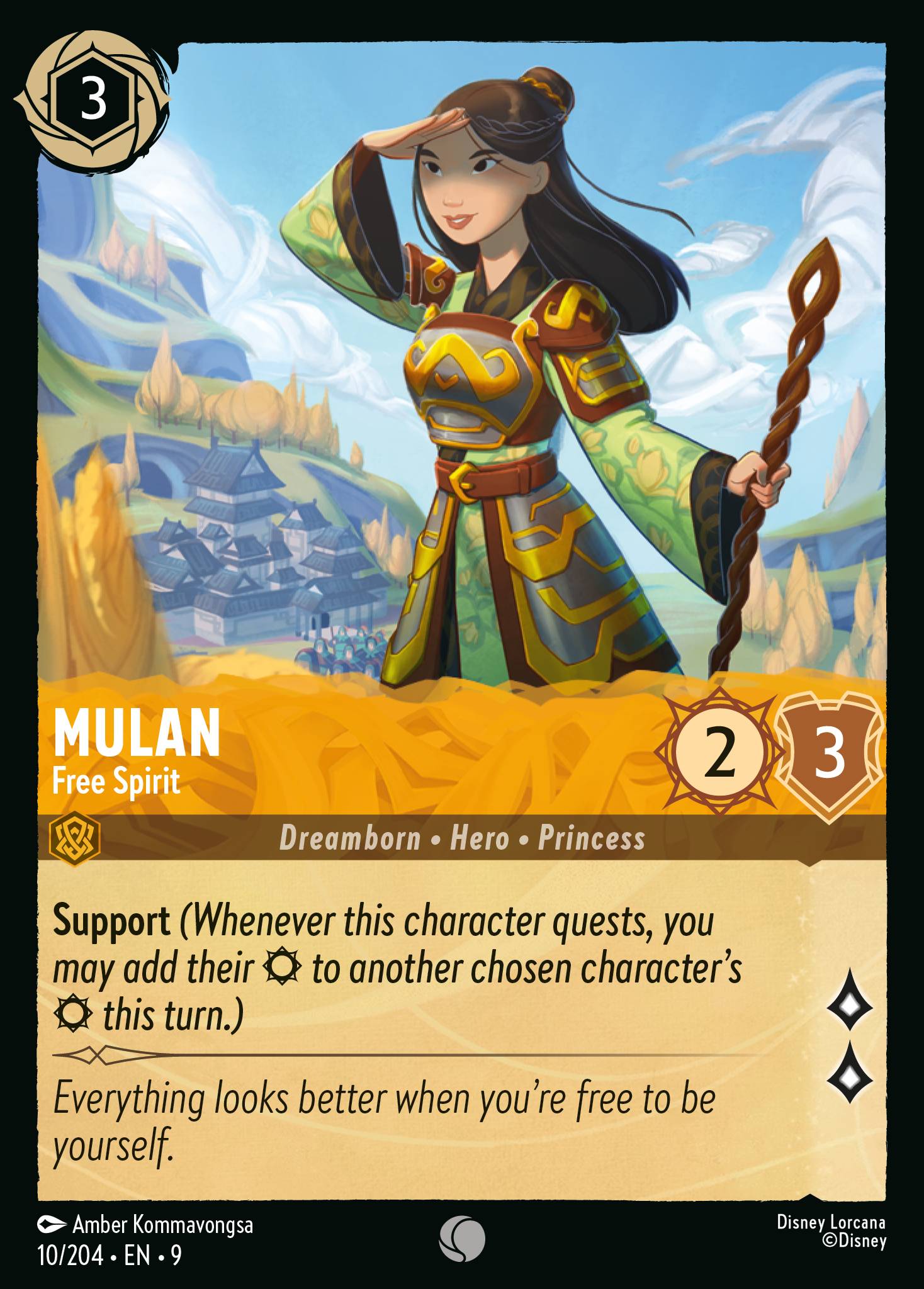
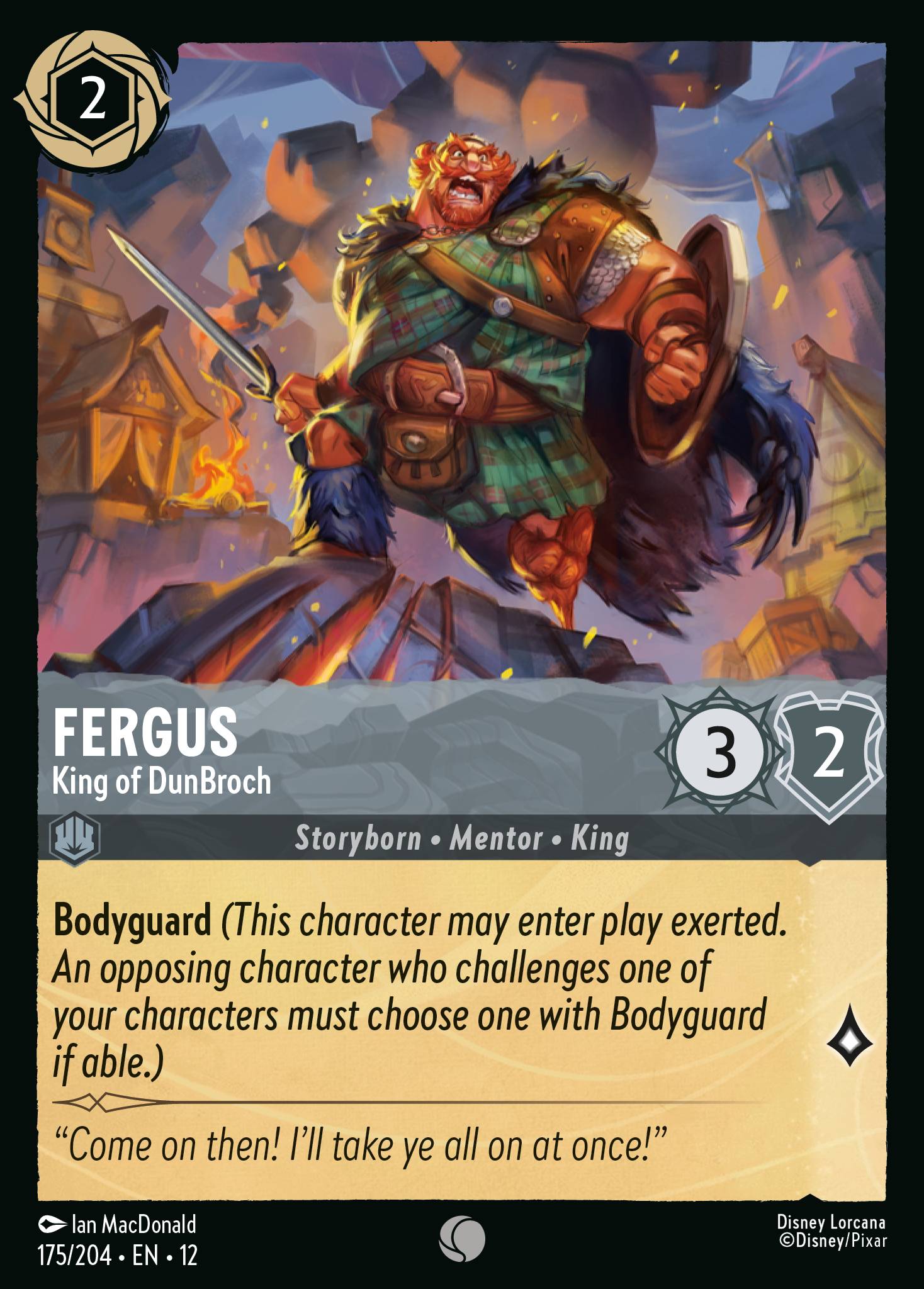
It's highly synergistic. Cards within one ink are designed to support that color's theme, so a mono deck's pieces tend to reinforce each other cleanly — go-wide Amber characters that pump each other, Steel bodies that protect and ping together.
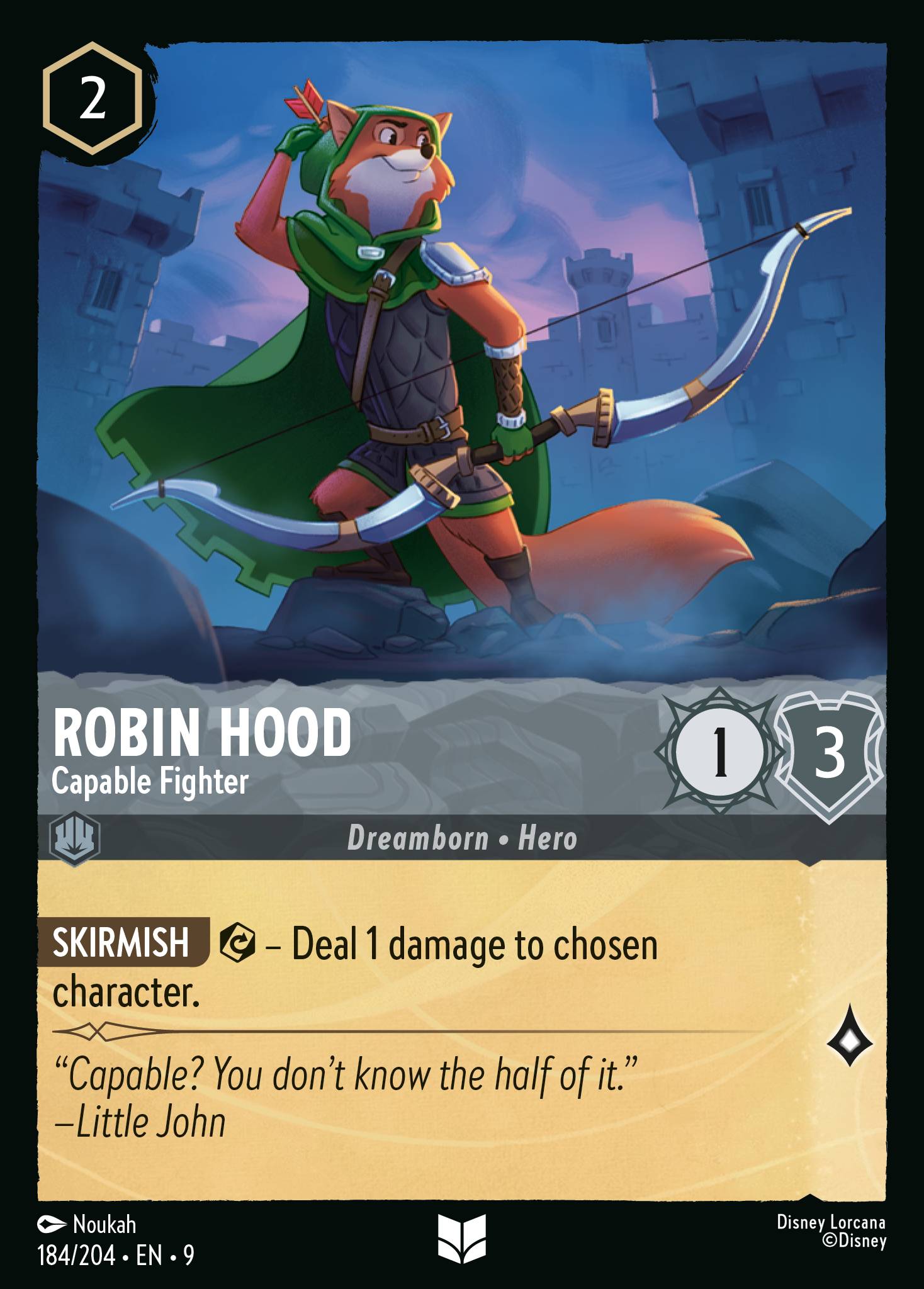
- It has a consistent plan. A mono deck does one thing and does it reliably. There's no awkward draw where half your hand is the "wrong half" of a two-color strategy — every card pulls in the same direction.
The Case Against
The drawbacks are the flip side of that focus, and they sharpen as competition stiffens:
- No weakness coverage. As covered above, your color's blind spots are your deck's blind spots. A skilled opponent will find and exploit them.
- A smaller card pool. You're drawing from roughly a sixth of the relevant cards, so you have fewer options, a shallower bench, and less room to adapt your list.
- More predictable. An opponent who sees your ink knows your whole toolbox. There are no surprise off-color answers, which makes you easier to play around.
- A lower competitive ceiling. The top of the current meta is dominated by two-ink pairings — the leading decks combine colors for exactly the coverage mono can't match. Mono-ink can win games and locals, but it's swimming upstream at the highest level.
Which Inks Go Mono Best?
Not all inks are equally suited to going solo. The best mono inks are the most self-sufficient — the ones whose single-color toolbox already covers the most bases:
-
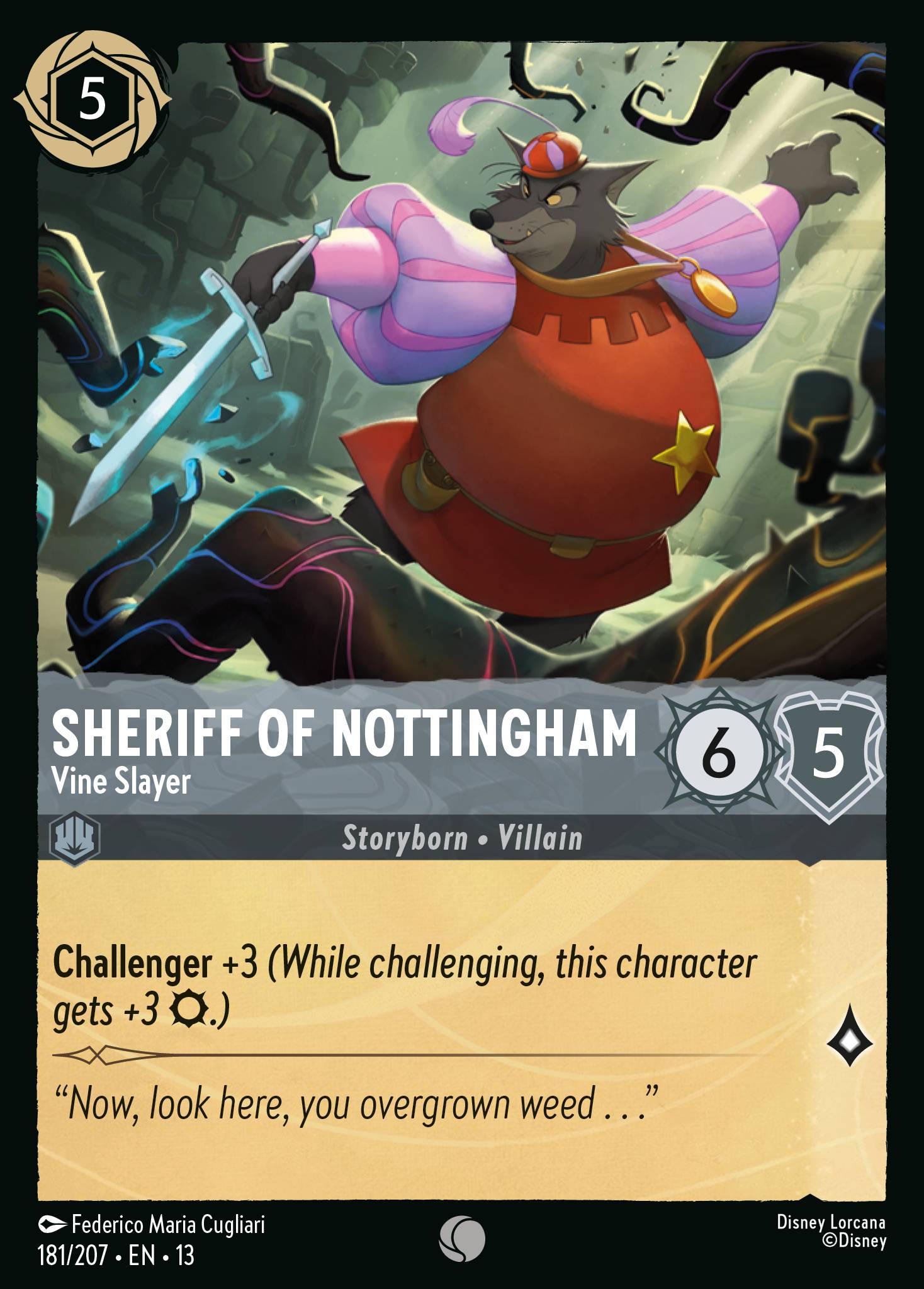
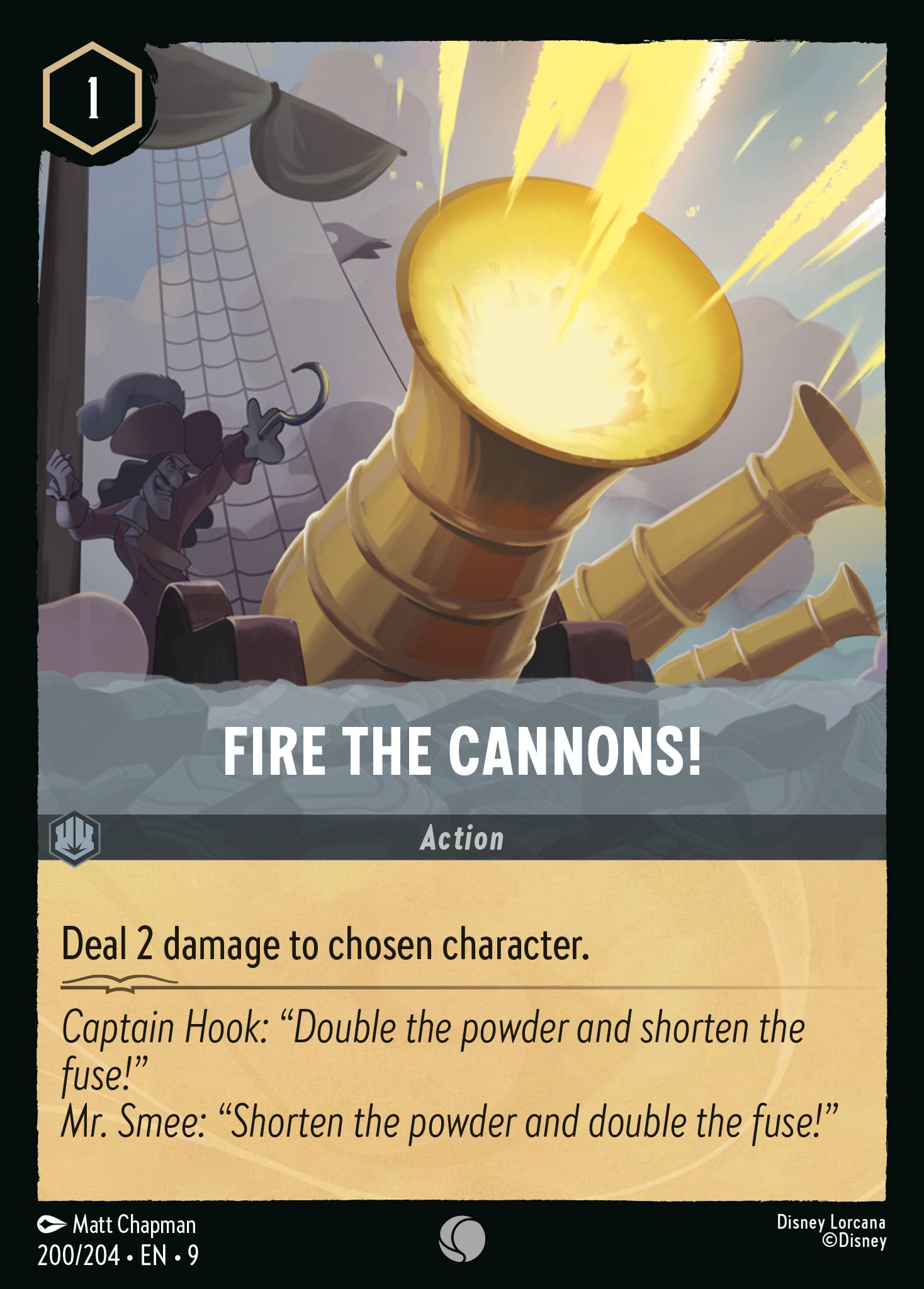
Steel — the most self-sufficient. Steel is unusual in having both strong offense and its own removal and protection in one color. Because it doesn't need to borrow a removal partner, mono-Steel is one of the most complete single-ink decks — its main gap is generating lore quickly.
-
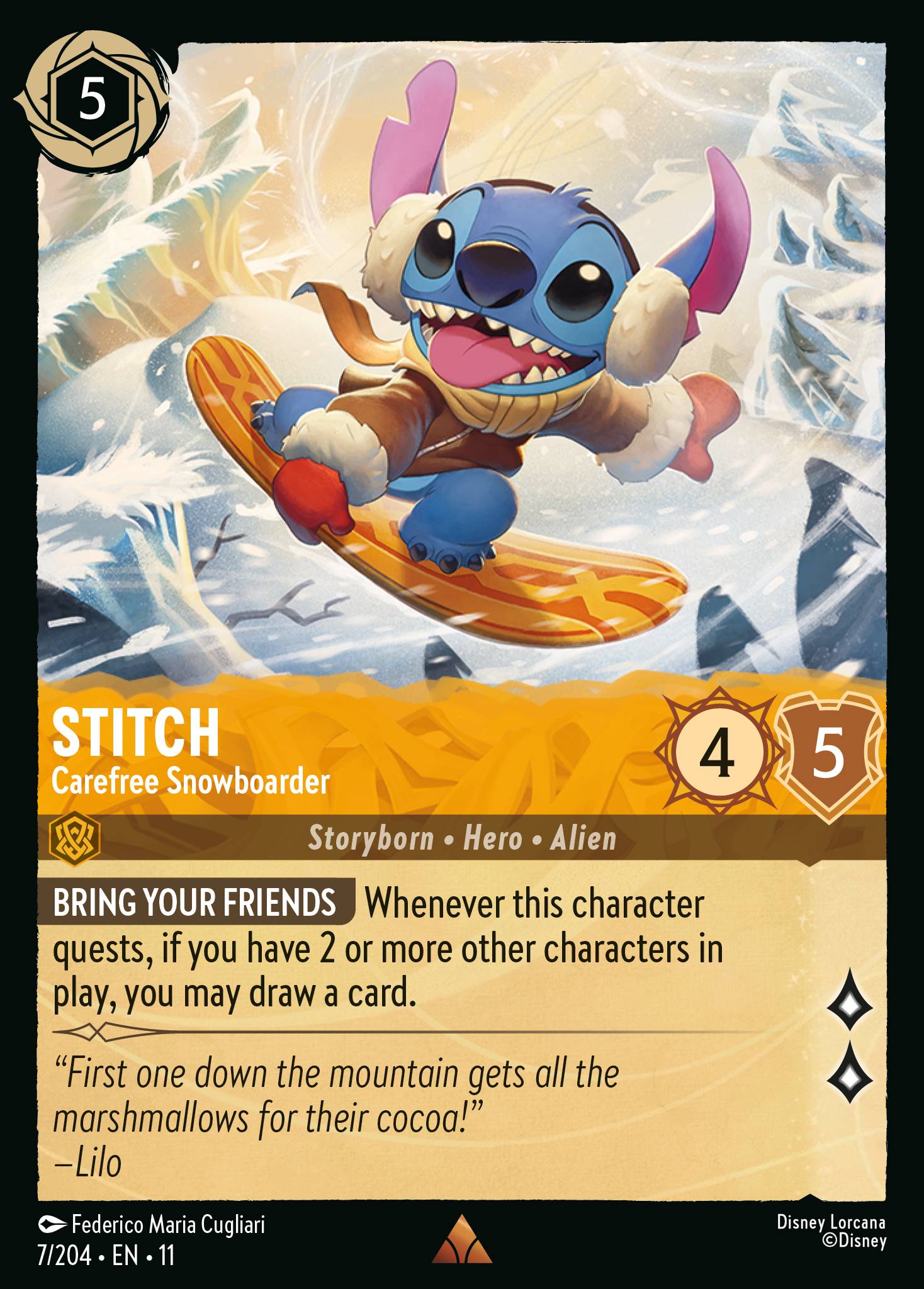
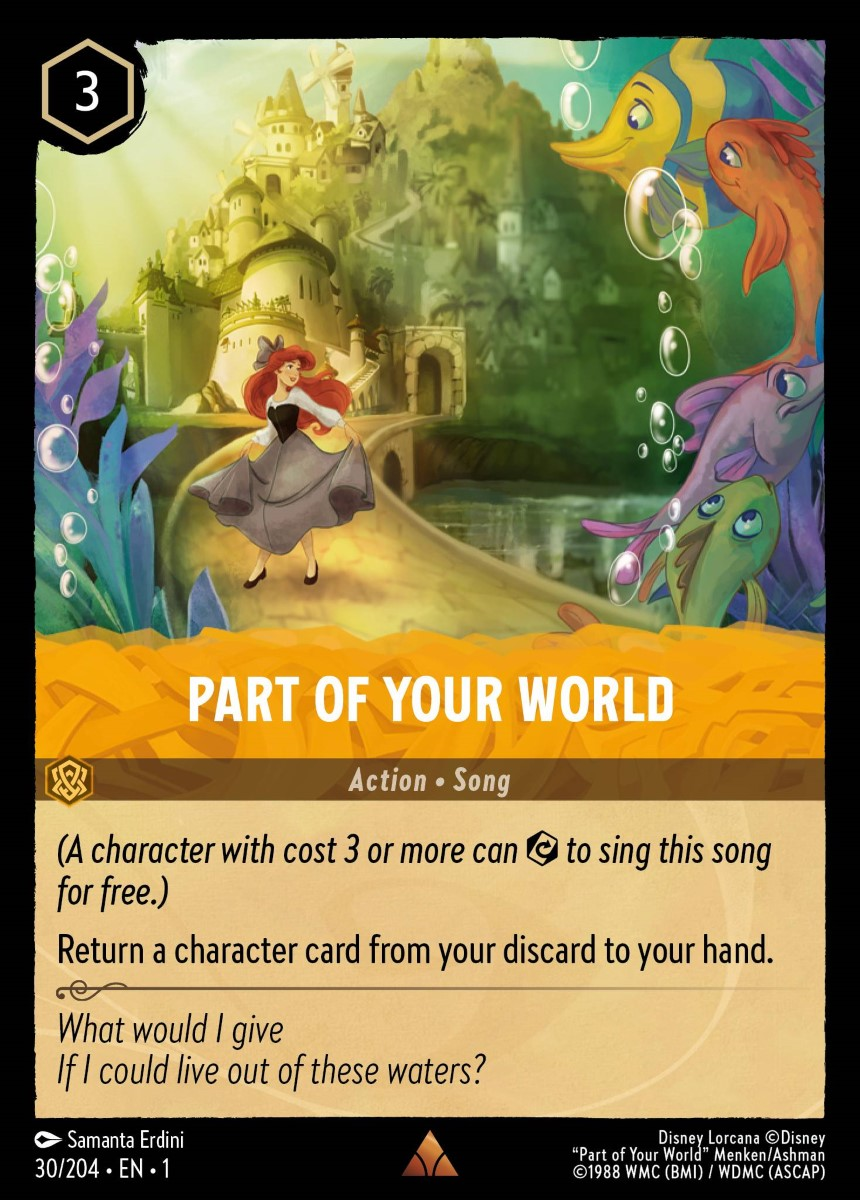
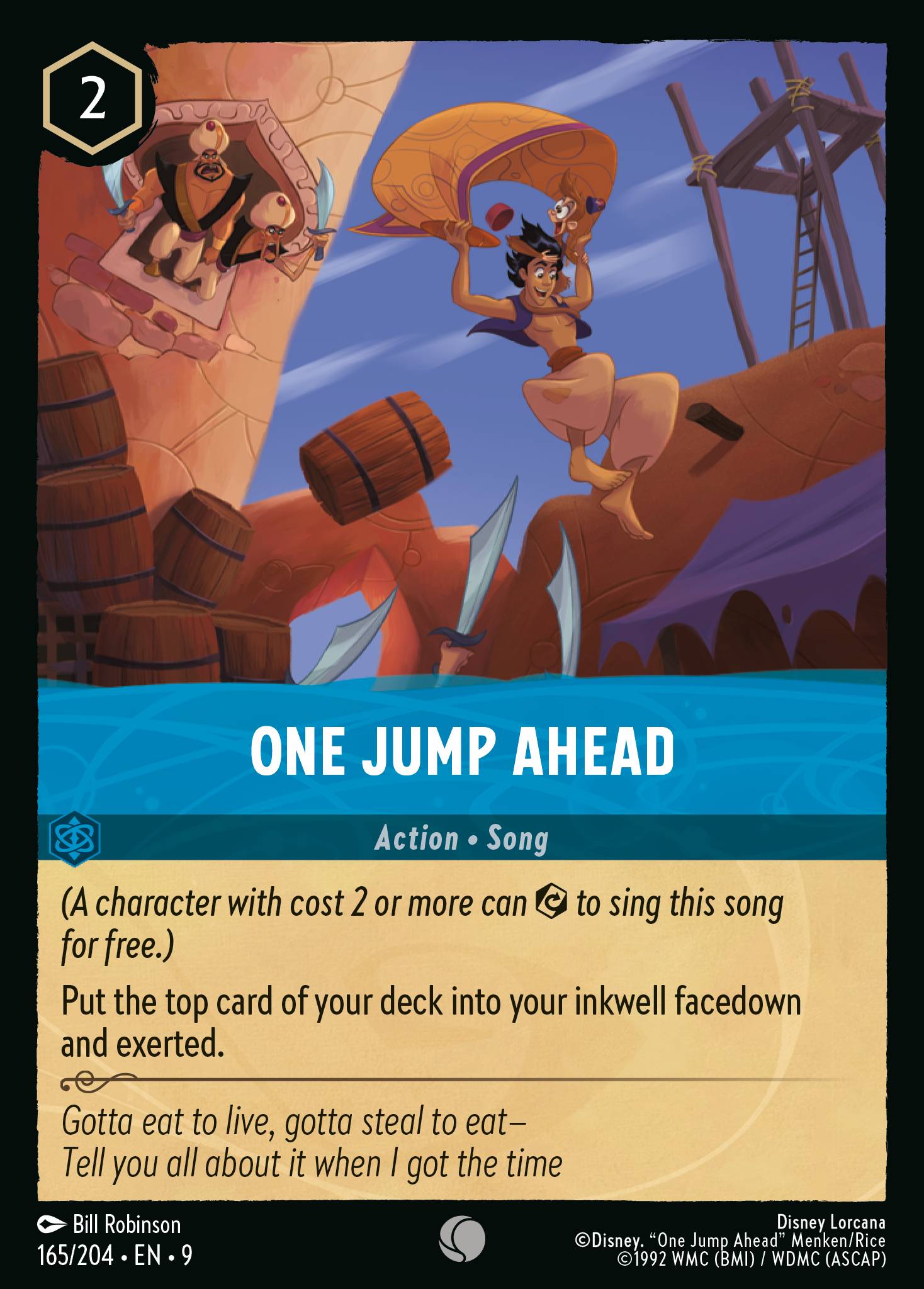
Amber — cohesive and cheap. Amber's go-wide characters, protection, song synergy, and recursion all reinforce one plan, and many of its pieces are inexpensive. Mono-Amber is a classic budget go-wide deck — just be aware it has little removal of its own.
-
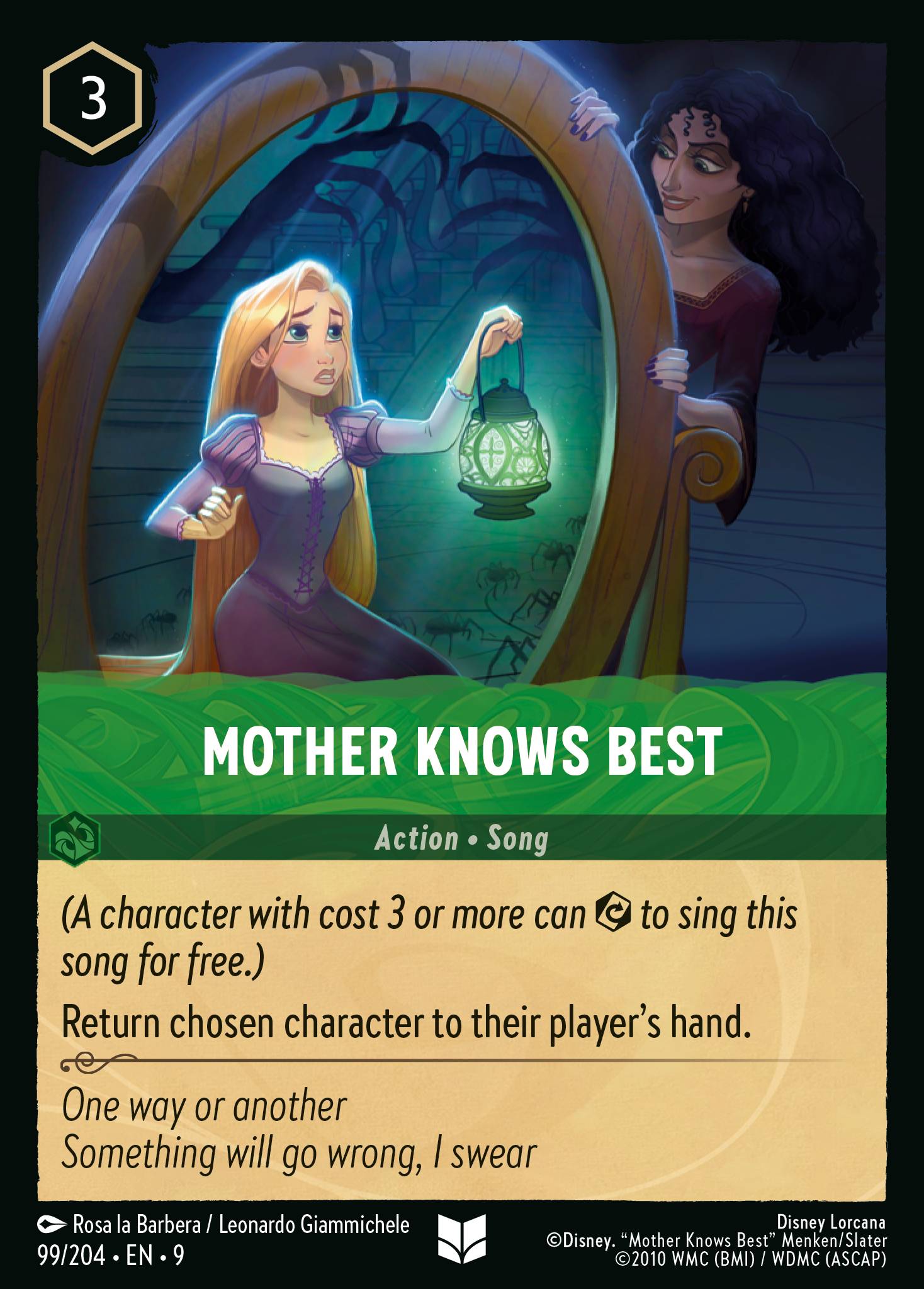
Emerald — the most flexible. Often called the most flexible ink, Emerald offers a bit of everything — disruption, bounce, tempo — which lets a mono build patch its own holes better than most single colors can.
-
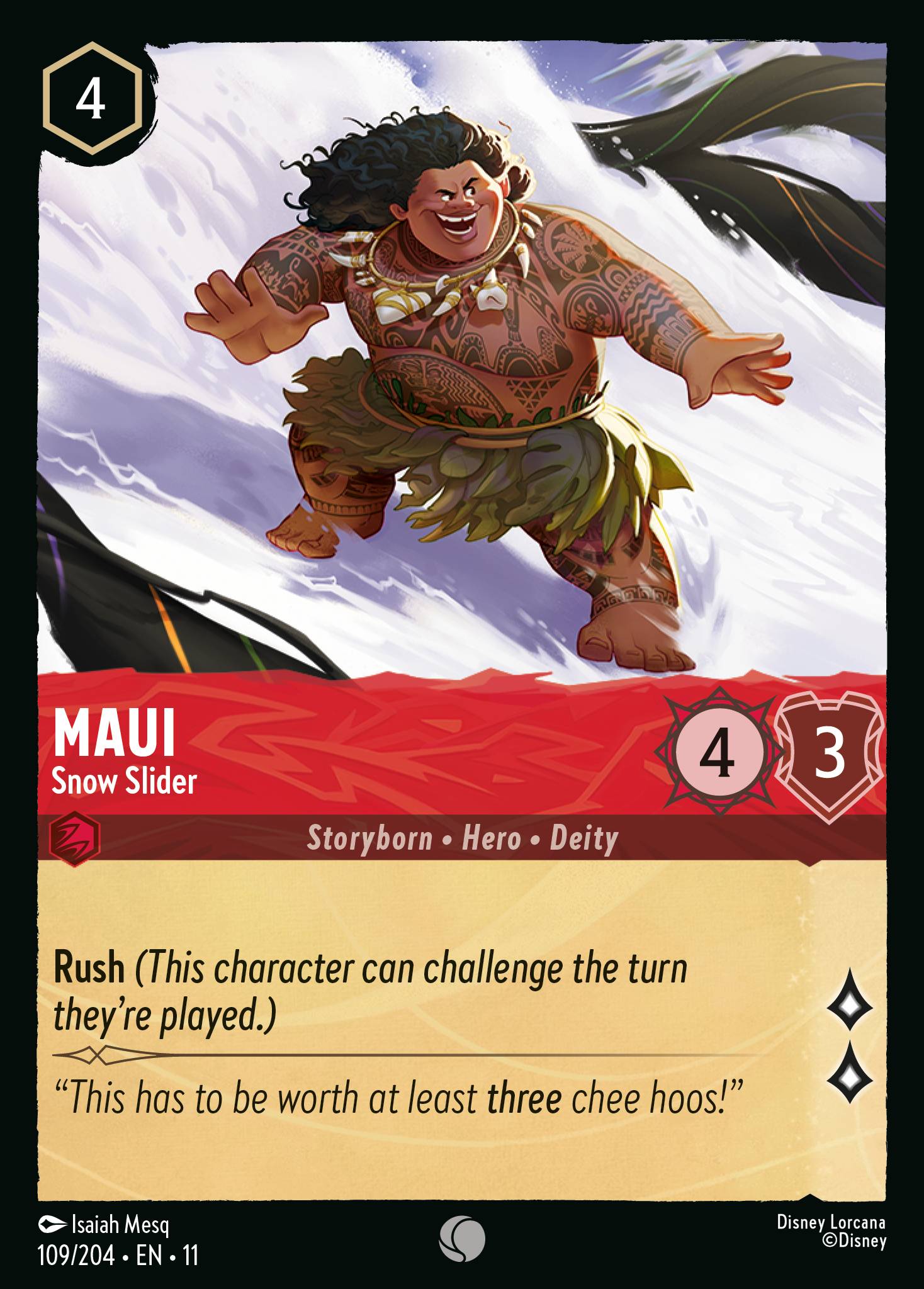
Ruby — fast and budget-friendly. Mono-Ruby aggression aims to race the opponent down before its lack of a late game matters. Aggro is naturally cheap and effective at the casual level, making mono-Ruby a strong budget pick.
-
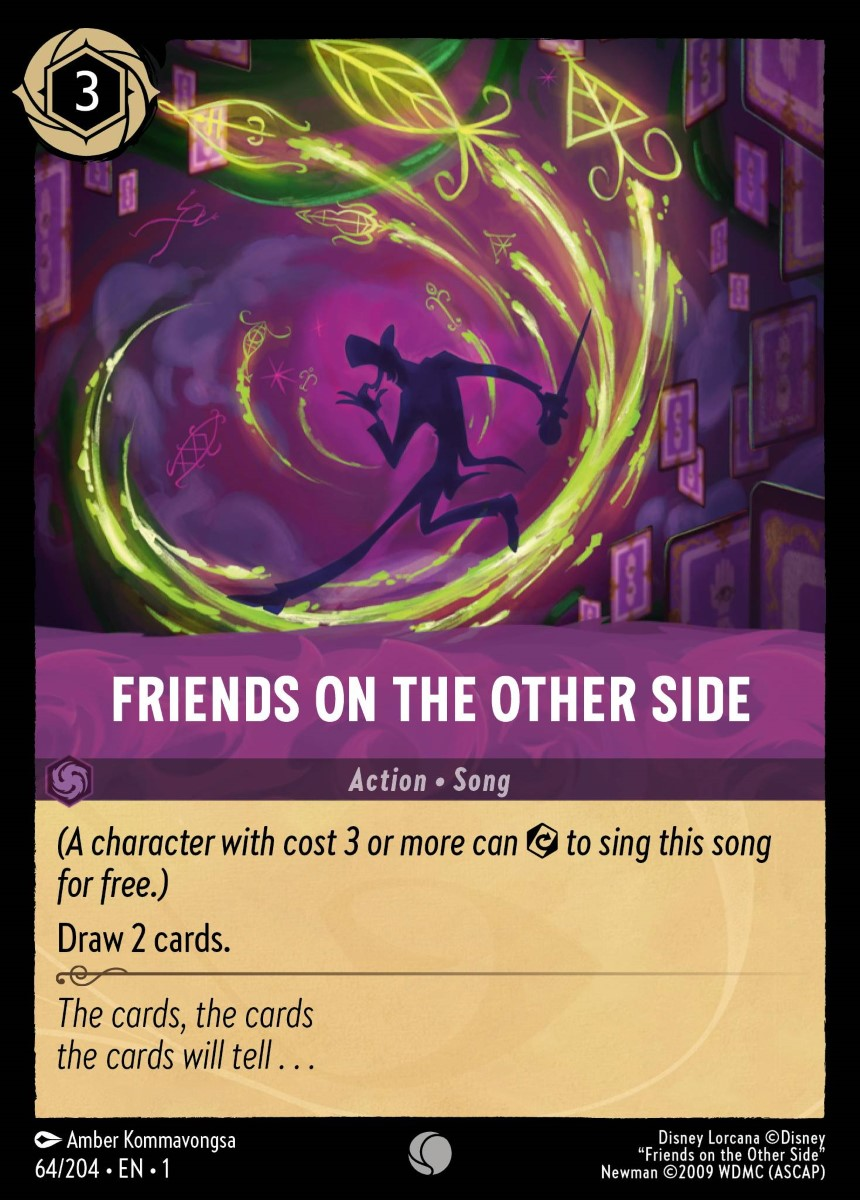
Amethyst — workable, magic-focused. Amethyst's draw, disruption, and recursion can carry a mono deck, though it often prefers a partner to turn its card advantage into a closing threat.
-
Sapphire — the hardest to go mono. Sapphire's strength is ramp and resource generation — enabling powerful plays that often live in other colors. Alone, it can be slow and short on payoffs, so it's the least natural mono ink and usually wants a partner to ramp into.
Building a Budget Mono Deck
If you want to build one, a few principles keep a mono-ink deck competitive at the budget and casual level:
- Pick a self-sufficient ink. Lean toward Steel, Amber, Emerald, or Ruby for a first mono deck — they cover more of their own bases or have a clear, fast plan that hides their weaknesses.
-
Lean all the way into the theme. Mono-ink's whole edge is synergy, so commit to your color's strategy — go wide with Amber, race with Ruby, grind with Steel — rather than building a watered-down generalist.
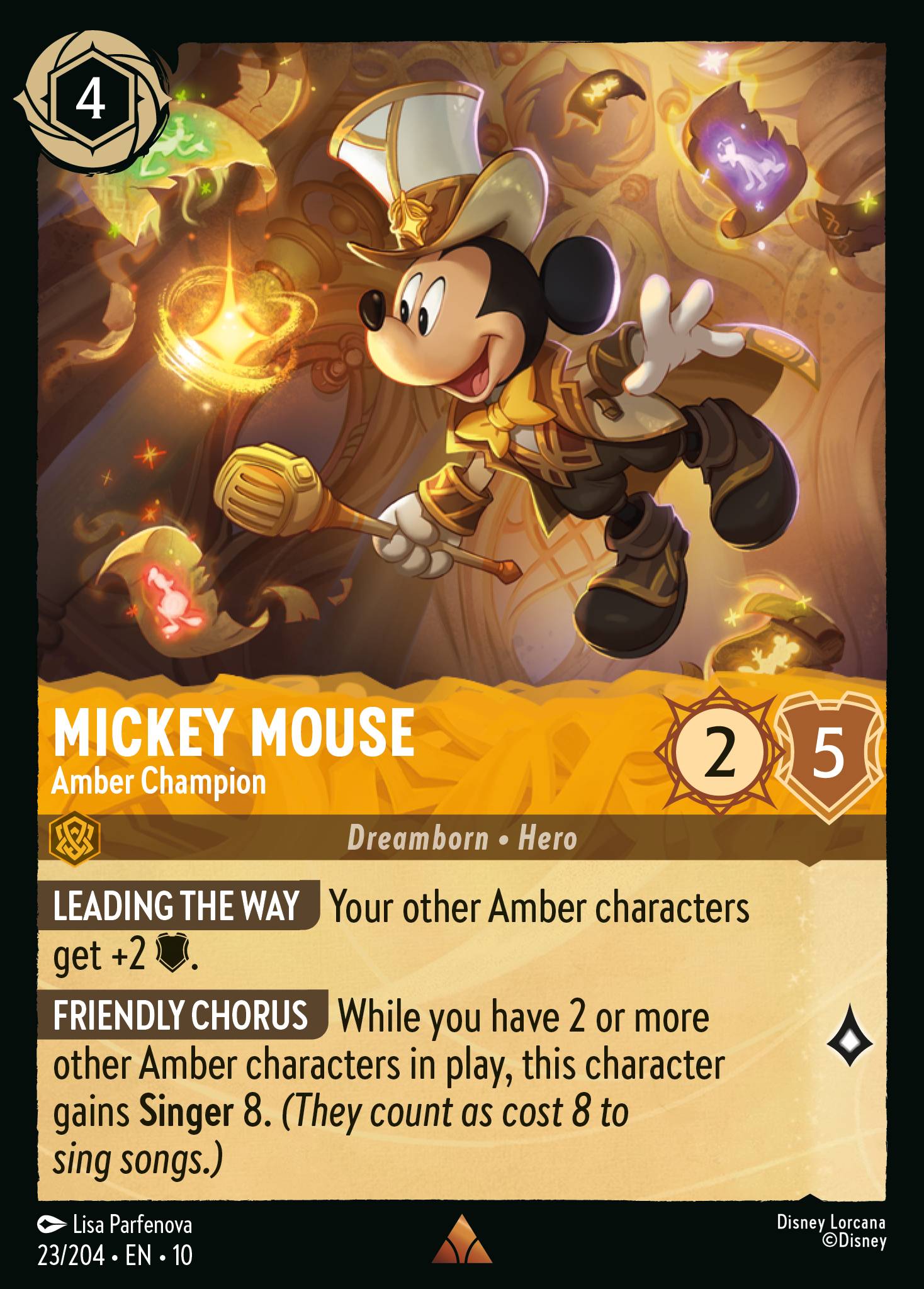
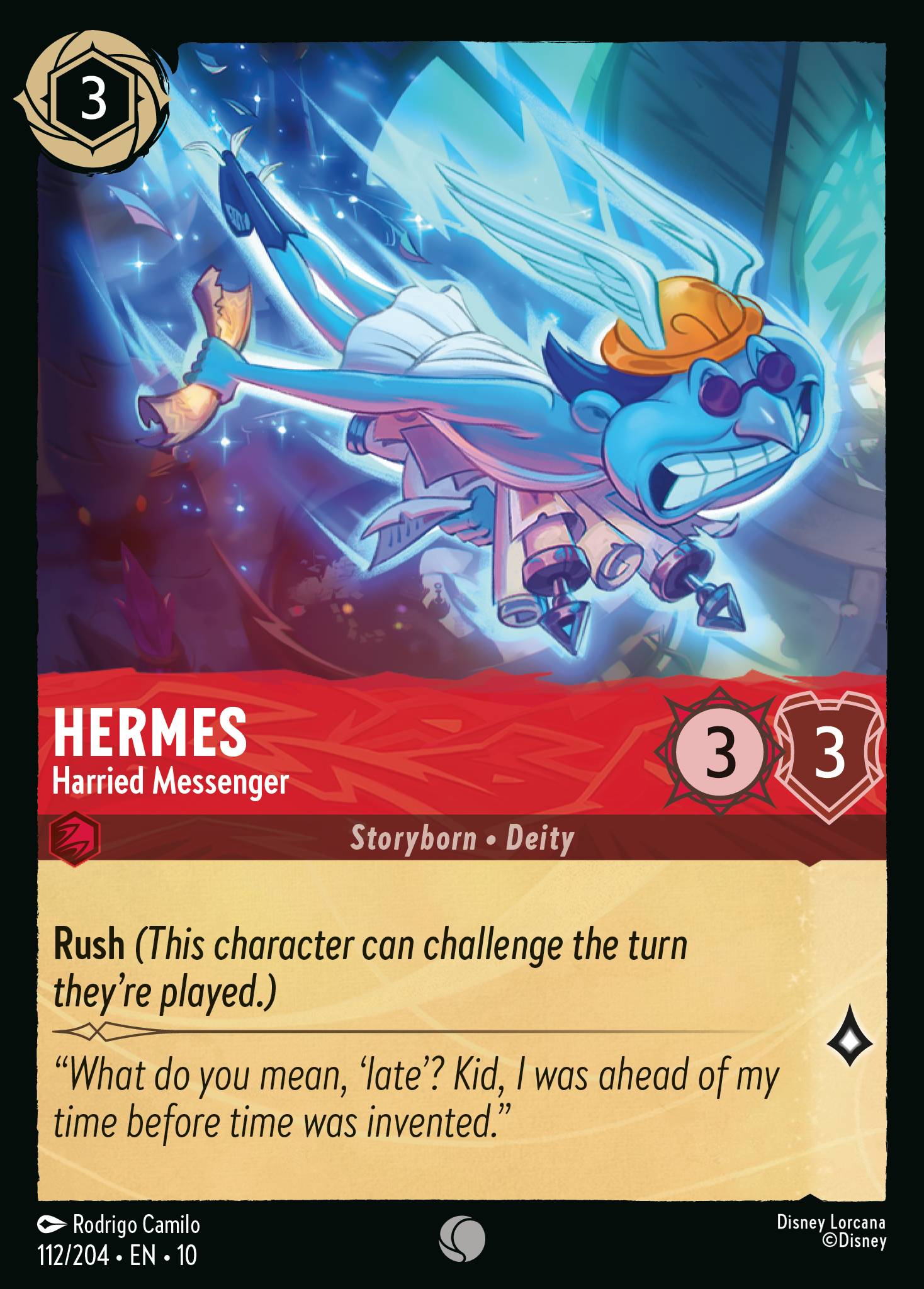
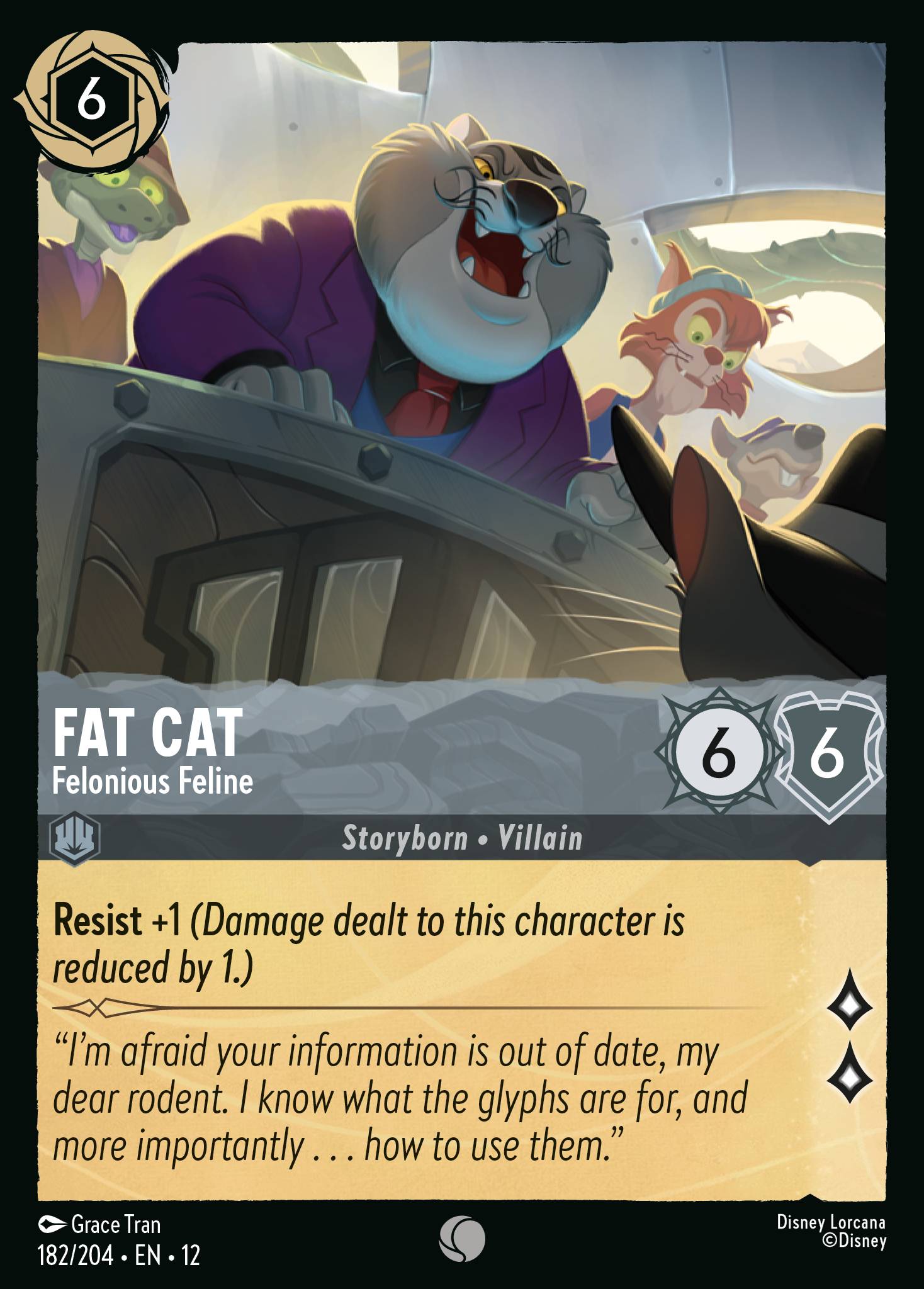
- Play around your one weakness. Know the hole you can't fill and plan around it. Mono-Amber races before removal matters; mono-Ruby closes before the late game arrives. Speed and synergy are how mono decks dodge their gaps.
- Mind the curve and the inkwell. With a smaller card pool, a clean curve and good inking decisions matter even more. Keep your ratio of inkable cards healthy so you're never stranded.
One honest note: mono isn't the only budget route. Some two-ink meta decks are quite affordable — budget pairings can be assembled for well under the cost of the top-tier lists — so if your goal is purely to play cheaply, a budget two-ink deck is also on the table. Mono-ink wins on simplicity, focus, and rock-bottom cost; a budget two-ink deck wins on coverage. Both are legitimate budget paths.
The Verdict
So — are budget mono-ink decks viable? Yes, with a clear-eyed caveat. For casual play, kitchen-table games, learning the ropes, and building on a tight budget, mono-ink is not just viable but genuinely good: cheap, focused, synergistic, and a wonderful way to master one color before you branch out.
At the highest competitive level, mono-ink sits a tier below the best two-ink decks, because it can't cover its weaknesses the way a color pair can. That's not a knock — it's the honest shape of the format. If you go in understanding that ceiling, embrace the focus, and pick a self-sufficient ink, a mono deck will win you plenty of games and teach you the game beautifully. Just don't expect it to top a regional event.
FAQ
- Do I lose anything mechanically by going mono? No — because ink is generic, a mono-ink deck pays for its cards exactly as easily as a two-ink deck. The only thing you give up is access to a second color's tools.
- Can mono-ink win tournaments? It can win games and local events in the right hands, but the top tables are dominated by two-ink decks. Mono-ink is a strong casual and budget choice, not the pick for chasing a major title.
- Which ink is best for my first mono deck? Steel (self-sufficient), Amber (cheap go-wide), or Ruby (fast aggro) are the friendliest starting points. Each has a clear plan that hides its weaknesses well.
- Is mono really cheaper than two-ink? Usually, since you collect one color and skip premium dual staples — but some budget two-ink decks are also inexpensive. Mono's edge is simplicity and focus as much as raw cost.
Mono-Ink Cheat Sheet
- No resource penalty: ink is generic, so mono pays for cards as easily as two-ink.
- The real cost: you can't cover your color's weaknesses with a second ink.
- Pros: cheaper, simpler, synergistic, consistent, great for learning.
- Cons: no weakness coverage, smaller pool, predictable, lower ceiling.
- Best mono inks: Steel, Amber, Emerald, Ruby; Sapphire is the hardest.
- Verdict: viable and fun for budget/casual play; a tier below top two-ink decks.
One Color, Plenty of Wins.
Mono-ink decks are one of the best-kept secrets of budget Lorcana: cheap to build, simple to pilot, and surprisingly cohesive. They won't dethrone the two-ink meta at a major event, but they'll win you games, teach you a color inside and out, and let you build a real deck without breaking the bank. Pick a self-sufficient ink, commit to its plan, and play to your strengths — that focus is a weapon all its own.
Choose your color, lean in, and let the synergy carry you.
Build Your Deck:
© GEEKYDOMAIN.COM | Strategy Powered by Data