

The Best Way to Sleeve a Lorcana Deck
Sleeving isn't complicated, but doing it cleanly — bubble-free, dust-free, tournament-legal — takes a little technique. Here's the method, start to finish.
Sleeving a deck is one of those small skills nobody teaches you — you buy a pack of sleeves, jam your cards in, and discover three games later that half of them have dust under the plastic or a corner peeking out. Done right, sleeving protects your cards, keeps your deck shuffling smoothly, and keeps you legal at events. Done sloppily, it traps grime against your cards and can even get a sleeve flagged at a tournament.
This guide is about the technique — the how, not the what. We'll cover why sleeving matters, the difference between single- and double-sleeving, the actual step-by-step method for getting cards in cleanly, how to judge fit and shuffle feel, when to replace worn sleeves, and the tournament rules that decide whether your sleeves are legal.
If you're trying to decide which sleeves to buy — brands, finishes, colors, the best picks for Lorcana — that's a separate question, and our Lorcana accessories guide is the place for it. Here, we're assuming you've got sleeves in hand and want to use them well.
The Short Version
Lorcana cards are standard size (63.5 × 88.9 mm), so any standard sleeve fits. For casual play, a single opaque matte outer sleeve per card is plenty. For valuable cards or heavy play, double-sleeve: a snug clear "perfect fit" inner sleeve (often inserted top-down) inside an opaque outer. The technique that matters: work on a clean surface, insert card-first and corner-aligned, push fully into the corner, and check for dust before the outer goes on. For tournaments, your draw-deck sleeves must have fully opaque backs, all match, and stay unmarked — inner sleeves are allowed and don't need opaque backs. Replace sleeves the moment they split, cloud, or get nicked.
→ Related Guides
In This Guide
Why Sleeve at All?
If you ever shuffle your deck by hand, sleeving isn't optional — it's the difference between cards that last and cards that fray. Three reasons it matters:
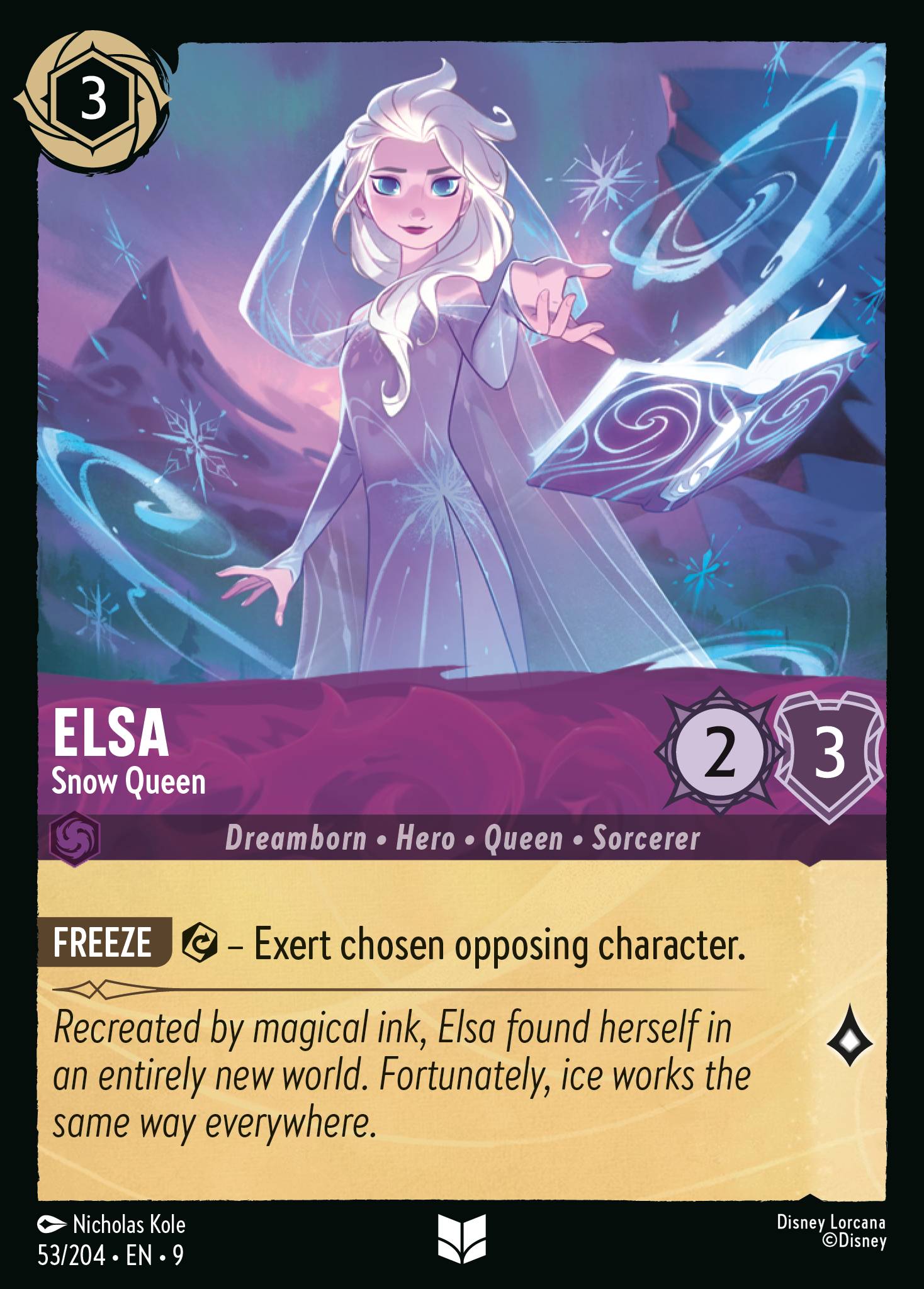
- Protection. Shuffling, table grime, and finger oils wear corners and edges fast. A sleeve takes that abuse instead of the card — you replace a cheap sleeve, not a card you can't easily get back.
- Shuffle feel. Bare cards stick together and shuffle unevenly. Matte sleeves give a consistent glide that makes riffle and mash shuffling smooth and reduces the chance of a bend.
- Fairness & legality. Uniform opaque sleeves mean no one can read your deck from tiny back-of-card differences — and they're required at events. Sleeving is as much about a fair game as a protected one.
Single vs. Double-Sleeving
The first decision is how many layers. Both are valid; they trade protection for bulk and effort.
Single-Sleeving
One opaque outer sleeve per card. Cheap, fast, low-bulk, and perfectly adequate for everyday play — this is what most players run for a casual deck. A good matte single sleeve shuffles well and protects against all the ordinary wear. If you're not playing with pricey cards, you can stop here.
Double-Sleeving
A snug clear inner sleeve (often called "perfect fit") goes on first, then an opaque outer sleeve over it. This seals the card on all sides — the inner closes the top the outer leaves open — giving the best protection against dust, moisture, and bends. The cost: more bulk (a double-sleeved deck is noticeably thicker, so size your deck box accordingly), more time, and a little more cost per card. Worth it for valuable cards, competitive decks you shuffle constantly, or anything you want pristine long-term.
The Method, Step by Step
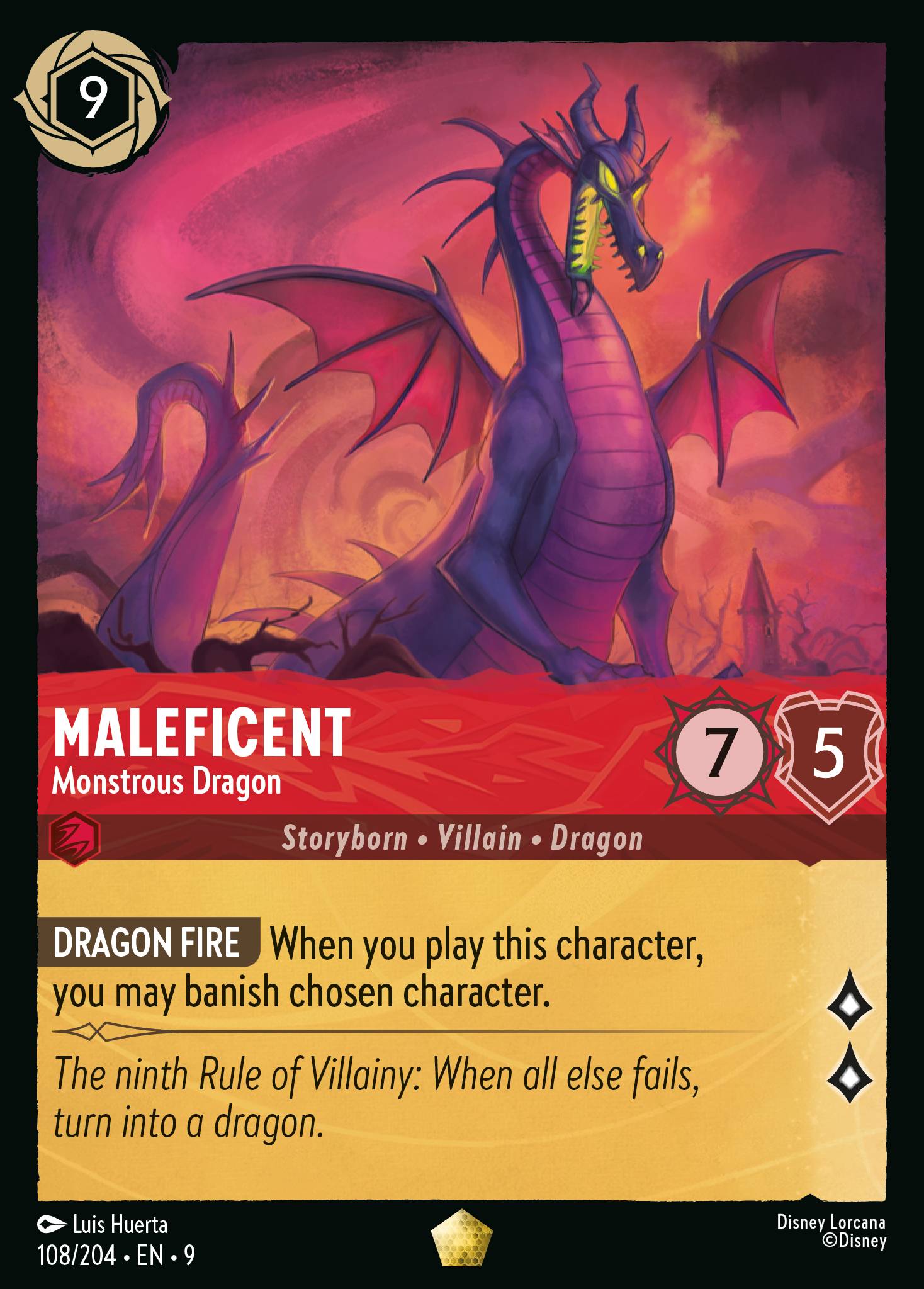
Getting a card into a sleeve cleanly — no dust, no bubbles, corners aligned — comes down to a repeatable routine:
- 1. Start on a clean, hard surface. Wipe the table; wash and dry your hands. Most "dust under the sleeve" comes from the surface or your fingers, not the sleeves themselves. A clean workspace is 90% of a clean sleeve job.
- 2. Hold the card by its edges. Touch corners and edges only — fingerprints on the face show through and attract grime. Square the card up before it goes near the sleeve.
- 3. Insert card-first, corner-aligned. Slide the card straight into the sleeve mouth, keeping it aligned with the sleeve's corners so it doesn't go in crooked. Let it drop most of the way under its own weight rather than forcing it.
- 4. Seat it fully into a corner. Gently push the card all the way down so it sits flush in one bottom corner of the sleeve. A card that isn't seated leaves the corner exposed — the most common cause of dinged corners despite sleeving.
- 5. Check before you move on. Glance for trapped dust or a bubble. If you see grime, pull the card and redo it — sealing dirt against a card is worse than no sleeve. Build a rhythm: insert, seat, check, set aside.
How to Double-Sleeve
Double-sleeving adds one step and one trick:
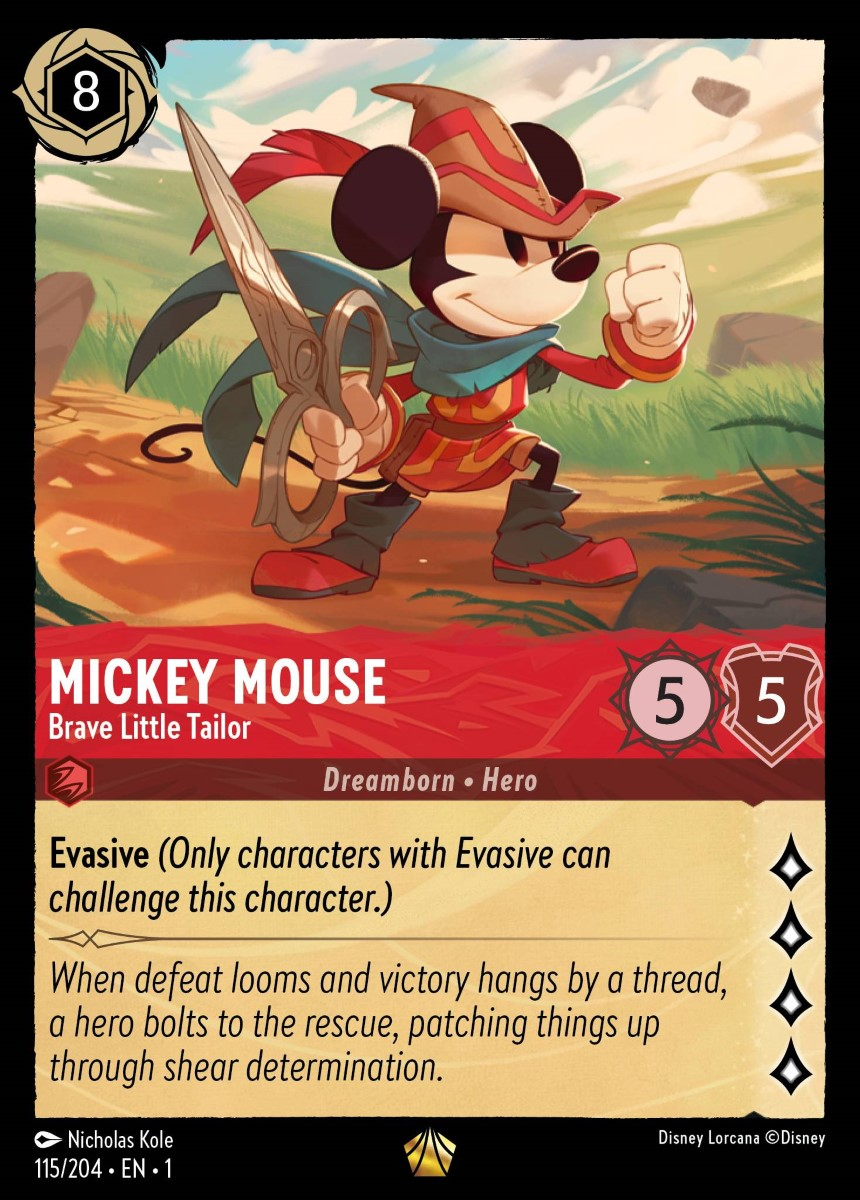
- Inner sleeve first — often top-down. Put the card into the snug clear inner ("perfect fit") sleeve. Many players insert the card into the inner sleeve top-first so that when it goes into the outer sleeve, the two openings end up on opposite ends — sealing the card completely. Seat it flush.
- Outer sleeve over it. Slide the inner-sleeved card into the opaque outer sleeve the normal way. Now the inner sleeve's opening is at the bottom and the outer's is at the top — no single opening exposes the card.
- Double-check for dust between layers. Dust trapped between two sleeves is annoying to remove later, so inspect before the outer goes on. Work slowly — double-sleeving a full deck takes a while, so put on something to watch.
Fit, Feel & Shuffling
Lorcana cards are standard trading-card size (63.5 × 88.9 mm — the same as Magic and Pokémon), so any standard-size sleeve fits. What you're really judging is feel:
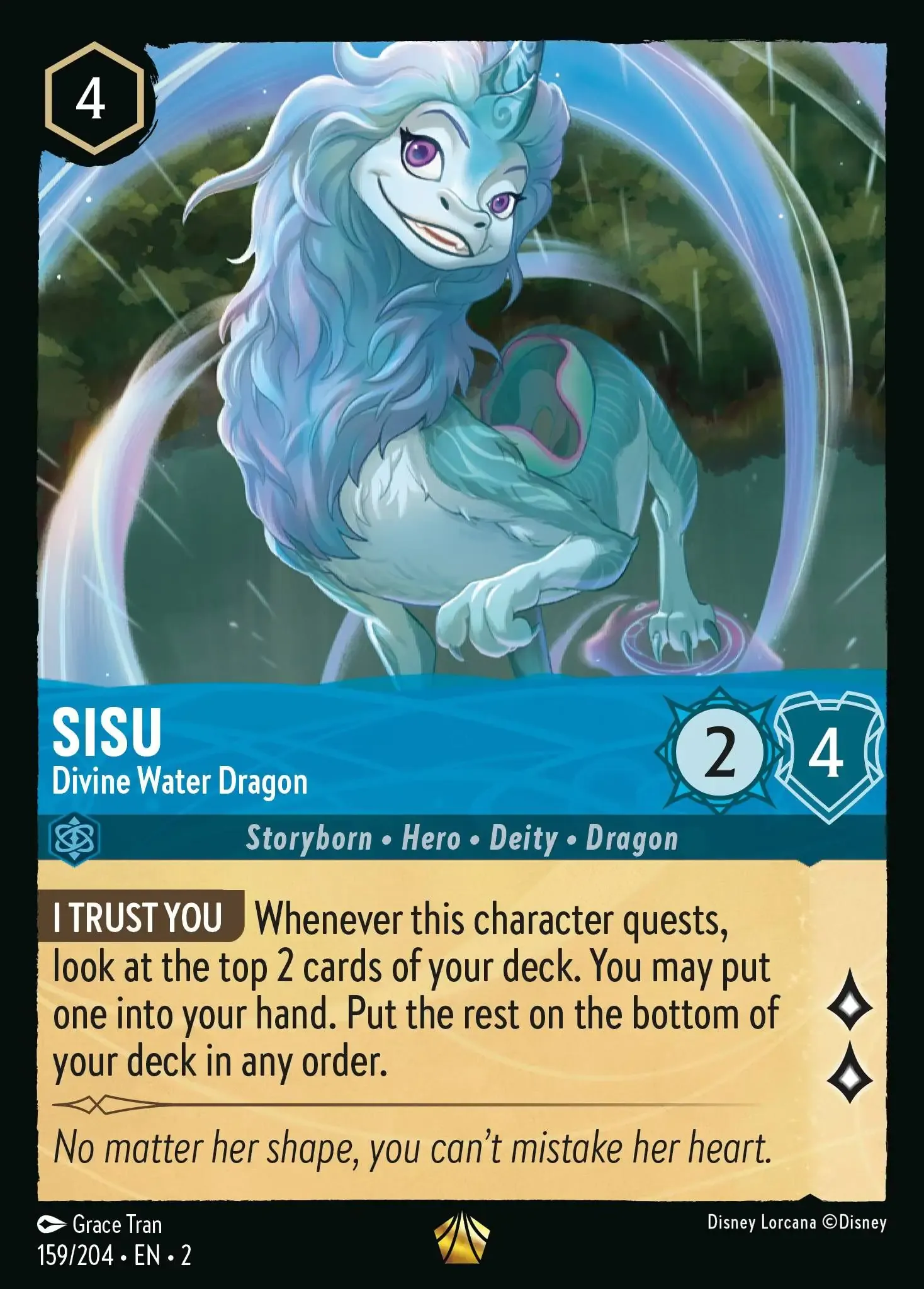
- Not too loose, not too tight. A little room to insert easily is good; a card sliding around loosely isn't protected well, and one crammed in too tight risks bending on the way in. Most standard sleeves hit this balance for Lorcana naturally.
- Matte backs shuffle best. A matte finish gives grip and a consistent glide; glossy sleeves slide unpredictably and pick up marks faster. For a deck you shuffle every game, matte is the comfortable default.
- Shuffle gently, especially double-sleeved. Double-sleeved decks are stiffer and can crease if you riffle aggressively. A mash/overhand shuffle is kinder to sleeved cards than a hard riffle.
Tournament-Legal Sleeves
If you'll ever play at an event, sleeve with the rules in mind so you're not scrambling to re-sleeve on site. Per Lorcana's official tournament rules:
- Opaque backs, all matching. Your draw deck's sleeves must have fully opaque backs and be uniform, so no card can be identified from behind. This is why solid-color or single-design matte sleeves are the safe choice.
- Inner sleeves are allowed. Double-sleeving is explicitly permitted, and the inner sleeve does not need an opaque back — only the outer does. So a clear perfect-fit inner under an opaque outer is fully legal.
- Keep them unmarked and family-friendly. You're responsible for sleeves staying free of scratches, bends, or marks that could identify cards — a marked sleeve can draw a penalty. Imagery must be family-friendly, and highly reflective or holographic-faced sleeves are discouraged.
- Officials have the final say. Tournament staff are the final arbiters on whether a given sleeve is allowed, so when in doubt, go plain. Bring spares in case you're asked to swap a damaged one mid-event.
Care & When to Replace
Sleeves are consumable — they're meant to wear out so your cards don't. Replace them when you see:
- Split corners or seams. The moment a sleeve splits, it stops protecting and starts catching — and a split corner is a marked card waiting to happen. Replace immediately.
- Clouding or scuffing. Outer sleeves cloud and scuff with shuffling. Once a few look noticeably different from the rest, the deck's backs aren't uniform anymore — re-sleeve the whole deck, not just the bad ones.
- Any unique mark. A nick, crease, or scratch that makes one sleeve identifiable is both a fairness problem and a tournament liability. If you can pick a card out of the deck by its sleeve, that sleeve has to go.
A practical habit: keep a spare pack of your exact sleeves on hand. Re-sleeving a competitive deck periodically is normal, and having matching spares means you can swap a damaged sleeve without re-doing the whole deck or mismatching backs.
Common Sleeving Mistakes
Sleeving on a dirty surface.
Dust trapped under a sleeve is permanent until you re-sleeve, and it grinds against the card. Wipe the table and wash your hands first — it's the single biggest quality difference.
Not seating cards fully.
A card that isn't pushed into the corner leaves an edge exposed — so it gets dinged anyway, which defeats the point. Seat every card flush.
Using transparent or mismatched backs at events.
Clear-backed or differing sleeves aren't tournament-legal for your draw deck and can let opponents read cards. Use opaque, uniform sleeves if there's any chance you'll play competitively.
Playing on with split or marked sleeves.
A worn sleeve is no protection and a fairness risk. Don't nurse a split sleeve through "just one more game" — swap it. Keep spares so it's painless.
Quick Reference
- Card size: standard (63.5 × 88.9 mm) — any standard sleeve fits.
- Casual: one opaque matte outer sleeve per card is plenty.
- Max protection: double-sleeve (clear inner, often top-down, + opaque outer).
- Technique: clean surface, hold by edges, insert aligned, seat flush, check for dust.
- Tournament: opaque uniform outer backs; inner sleeves OK and needn't be opaque; keep unmarked.
- Replace: at the first split, cloud, or identifying mark — keep matching spares.
Sleeve Once, Sleeve Right.
A well-sleeved deck shuffles smoothly, survives years of play, and never raises an eyebrow at an event. The whole trick is a clean surface, a steady routine, and seating every card flush — plus knowing when a sleeve has done its job and needs replacing. Single-sleeve for casual nights, double-sleeve what you treasure, and keep your backs opaque and uniform for tournaments.
Do it once, do it right, and you can forget about it and just play.
© GEEKYDOMAIN.COM | Strategy Powered by Data